Community story
A 1917 Packard bought out of a junkyard for $325, a firehouse paid for in wine, an ambulance district that ran on collection jars: how neighbors around St. Louis built their own emergency services before 911
St. Louis Region — High Ridge, Goldman, De Soto, Cedar Hill, Arnold and Millstadt
In 1940, High Ridge, Murphy and House Springs had no fire department of their own. If your house caught fire, somebody called Fenton and hoped a truck would come. In 1941, after a house burned to the ground, the neighbors quit hoping. They formed the High Ridge Fire Association, and that February E. Brackmann wrote its first check.
Before 911, before paramedics, and before emergency services were available around the clock, getting help often meant knowing which neighbor to call. In small towns across America, and all over our part of Missouri and Illinois, volunteer firefighters, rescue squads and ambulance crews were among the first to answer that call. They were farmers, factory workers, shopkeepers and fathers who left their jobs, homes and dinner tables when someone down the road needed help.
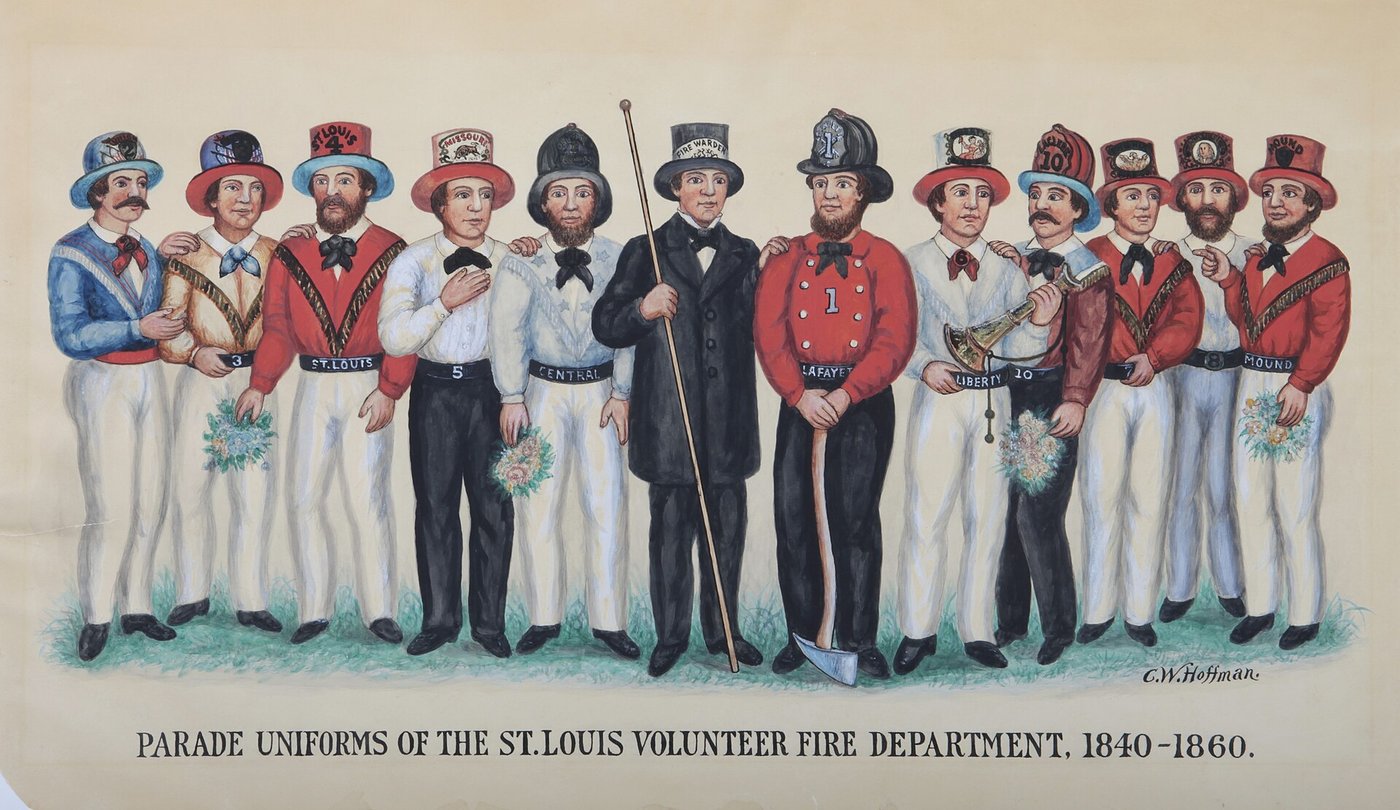
The idea goes back a long way here. St. Louis itself depended on volunteer companies until September 14, 1857, when its paid department began work. Those volunteers were on the levee the night of May 17, 1849, when the steamboat White Cloud caught fire at the foot of Cherry Street. The blaze burned until 8 the next morning and took three lives, 430 buildings and 23 steamboats.
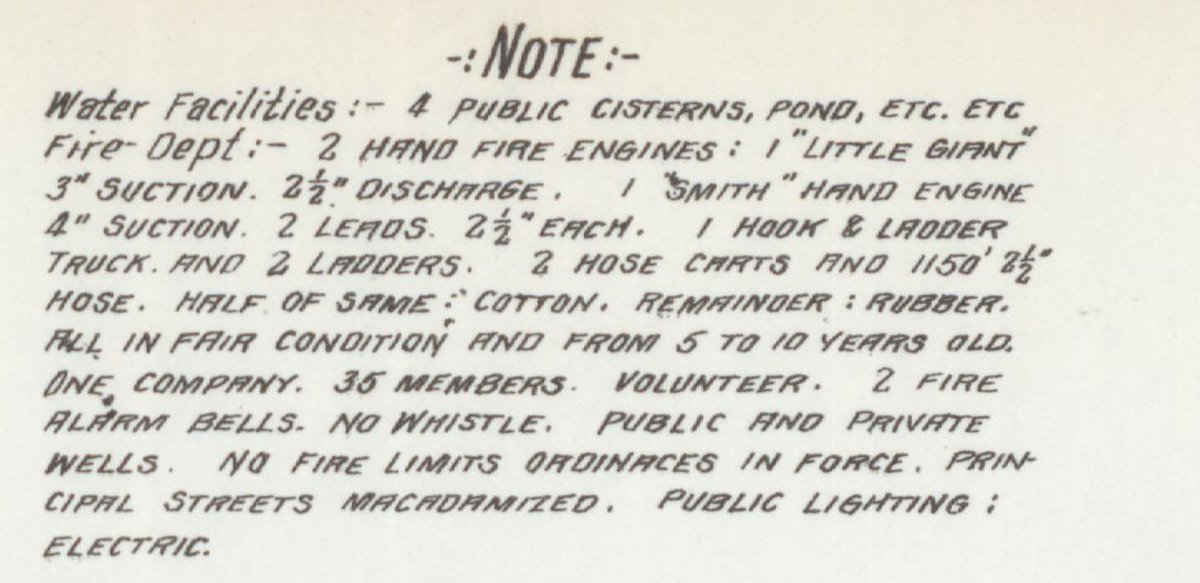
Outside the city, volunteers kept right on going. The Union Fire Company across the river traces back to 1871, when Millstadt, Illinois, was still called Centreville, and KMOV has called it the oldest continuous volunteer fire department in the state. A fire insurance map drawn in February 1900 lists what the town could count on: two hand engines, two hose carts, four public cisterns and a pond. Its note on the department itself runs just a few words: “One company. 35 members. Volunteer. 2 fire alarm bells. No whistle.”
Later the alarm was the town siren: three blasts for a fire, and a fourth if everybody was needed. Members who skipped a community event paid a 50-cent fine. Gear was scarce. Robert Stumpf, who joined in 1956, told KMOV, “We had two boots and three coats.”
High Ridge’s first truck was a 1918 Packard. When the siren sounded, volunteers headed to a firehouse about the size of a two-car garage, with no restroom, and did what they could to get the thing started. Their protective gear was an ankle-length black rubber raincoat. There were no hydrants, so water meant a well, a rain cistern, the cistern next door or the closest lake.
Goldman found its truck in a junkyard. In May 1951, thirty farmers and townspeople met at the Community Hall to talk about a 1917 Packard fire truck that had been hauled in for salvage. No one knew if it would even run. They took it to Sandy Creek to try the pump, and it still worked. Scrap yard owner Frank Ives sold it for $325. Each person there put in $10 and the Central Farmers Club added $25. Do the math and you get exactly $325.
Wentzville’s volunteers began by mounting a small water tank and a pump on a Model T. The Shady Valley association, now part of Saline Valley, paid the Jefferson Barracks Fire Department one dollar for its first rig. Pevely Valley bought a 1936 Dodge from Cape Girardeau for $2,500. Cedar Hill’s founders signed a note for a brand-new $7,001.50 Ford pumper in 1950. Antonia’s first truck arrived on Christmas Eve, 1953.
There was no tax money to draw on. Most of these associations lived on fire tags, a subscription the volunteers often sold door to door. Near Columbia the price was $5 a year. By 1973, Antonia was selling nearly 1,100 of them. Hillsboro’s entire budget in 1965 was about $3,600. Everything else came from whatever a town could dream up: turkey shoots and picnics in Antonia, dances in Pevely Valley, baseball and softball tournaments and plays put on by the volunteers in Wentzville.
De Soto’s rural department may hold the record for creative financing. When Charles Chapman Sr. and his crew built its station in 1952, their only pay was wine donated by the local seminary, Mount St. Clement. The volunteers often bought the fuel for the truck themselves.
Tags only went so far. High Ridge’s system drew national attention in 1968 for how poorly it worked. Shady Valley sold tags until 1974, yet protected every resident, tag or no tag. Around the end of the 1960s, Missouri lawmakers let associations become tax-supported fire districts, and voters took it up one community at a time: High Ridge in 1970, Antonia by a vote of 175 to 19 in 1974, Goldman in 1976, De Soto Rural in 1987, Mapaville in 2000.
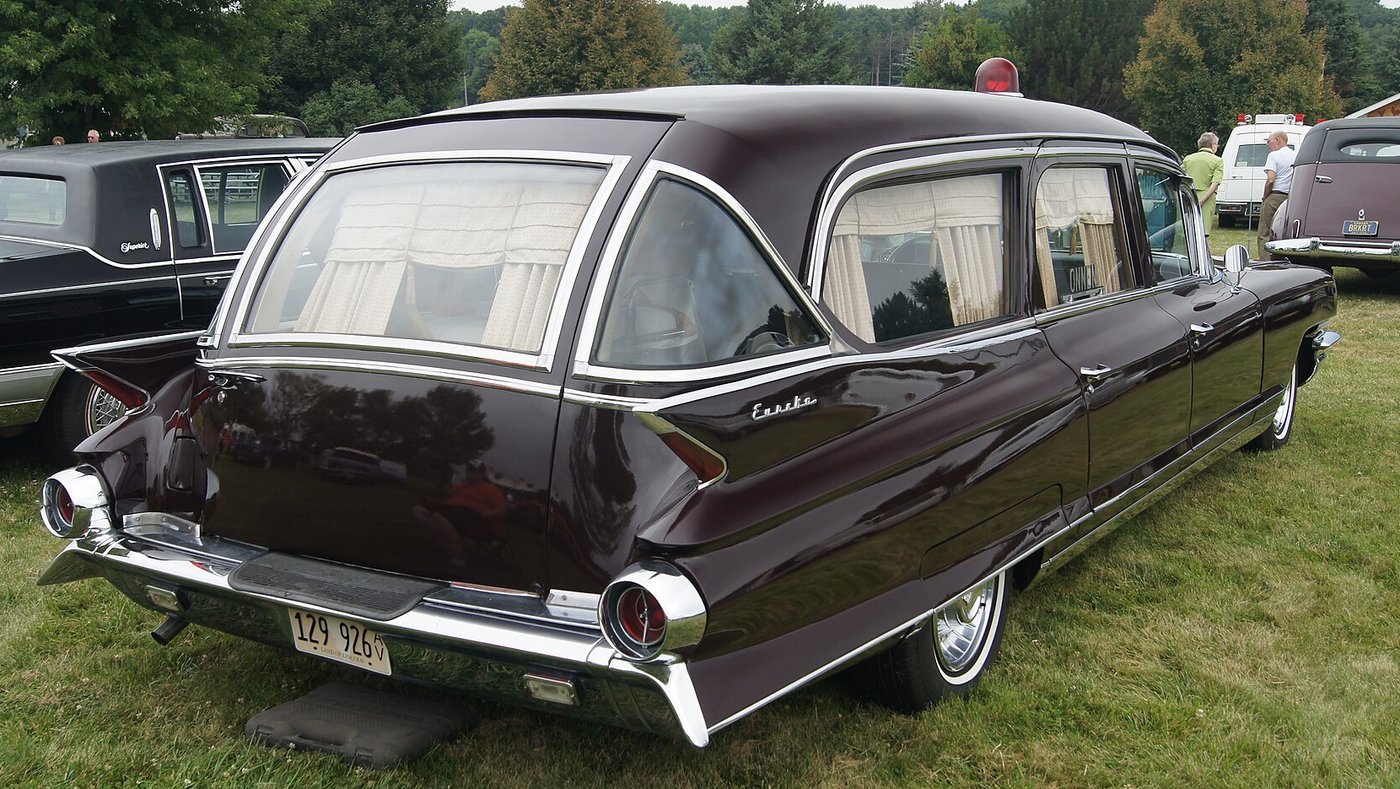
Ambulance service came from an even stranger place. Into the 1960s, the ambulance in many American towns belonged to the local funeral home, because a car built to carry a casket could also carry a stretcher. In Millstadt’s early days there was no ambulance at all. The funeral home’s hearse had to do.
That arrangement came apart in the late 1960s. A 1966 National Academy of Sciences report called accidental death the neglected disease of modern society, and federal rules followed. In January 1967, all but one of Hannibal’s funeral homes announced they would stop running ambulances on February 1, citing rising costs and new federal regulations. They had been answering about 1,100 calls a year, and the town had no other service.
In Jefferson County, the gap was still open in 1975. Chapel Hill Mortuary was the only ambulance service around Cedar Hill and House Springs. Twenty-three people signed up for a Red Cross first aid course at the Presbyterian Church in Cedar Hill, two evenings a week, then rode along on the mortuary’s calls to learn the work. When the Big River Ambulance District opened on July 1, the mortuary donated a 1975 Cadillac, along with stretchers, backboards and radios. The tax levy had passed but no money had come in, so for six months the district ran on coins and dollar bills from collection jars in local businesses. The ambulance lived in Mr. and Mrs. Doyle Ruble’s basement garage on Ficken Road. The phone rang in the homes of three dispatchers, Jeanne Kriegesmann, Fran Ruble and Mary Ann Theiss, so someone was always listening.
In the northern part of the county, the push for Rock Township Ambulance began with an accident at Highway 141 and I-55 and no ambulance to send. As Frank Kutilek told the Leader this year, the injured man’s boss brought a sheet of plywood, loaded him into a pickup and drove him to St. Anthony’s. Kutilek, then a volunteer firefighter with Rock Community, and members of the surrounding fire districts met every Monday for about a year. On August 7, 1979, voters approved the district 1,572 to 373. When county officials said taxes could not start that year, the district went to court and won. The county then lacked the staff to send the bills, so volunteers stuffed the envelopes.
The nation’s first 911 call was placed in Haleyville, Alabama, on February 16, 1968. Jefferson County’s own 911 center did not take its first call until January 1, 1993, almost 25 years later. Chief Joe Wingbermuehle placed that first official call. He had led the Rock Community volunteers, whose first station was the basement of Arnold Auto Repair, and he spent a combined 32 years as a chief there. The county’s dispatch center now carries his name.
Today, many of those same communities still rely on volunteers who give their time, training, and sometimes put their lives on the line to protect others. About 70 percent of Missouri fire departments are volunteer and another 12 percent are mostly volunteer. Millstadt’s company had 32 active volunteers at last report. In Russellville, Chief Mitch Ott joined his department as a 16-year-old junior firefighter. In 2023 he had 17 volunteers and wanted more.
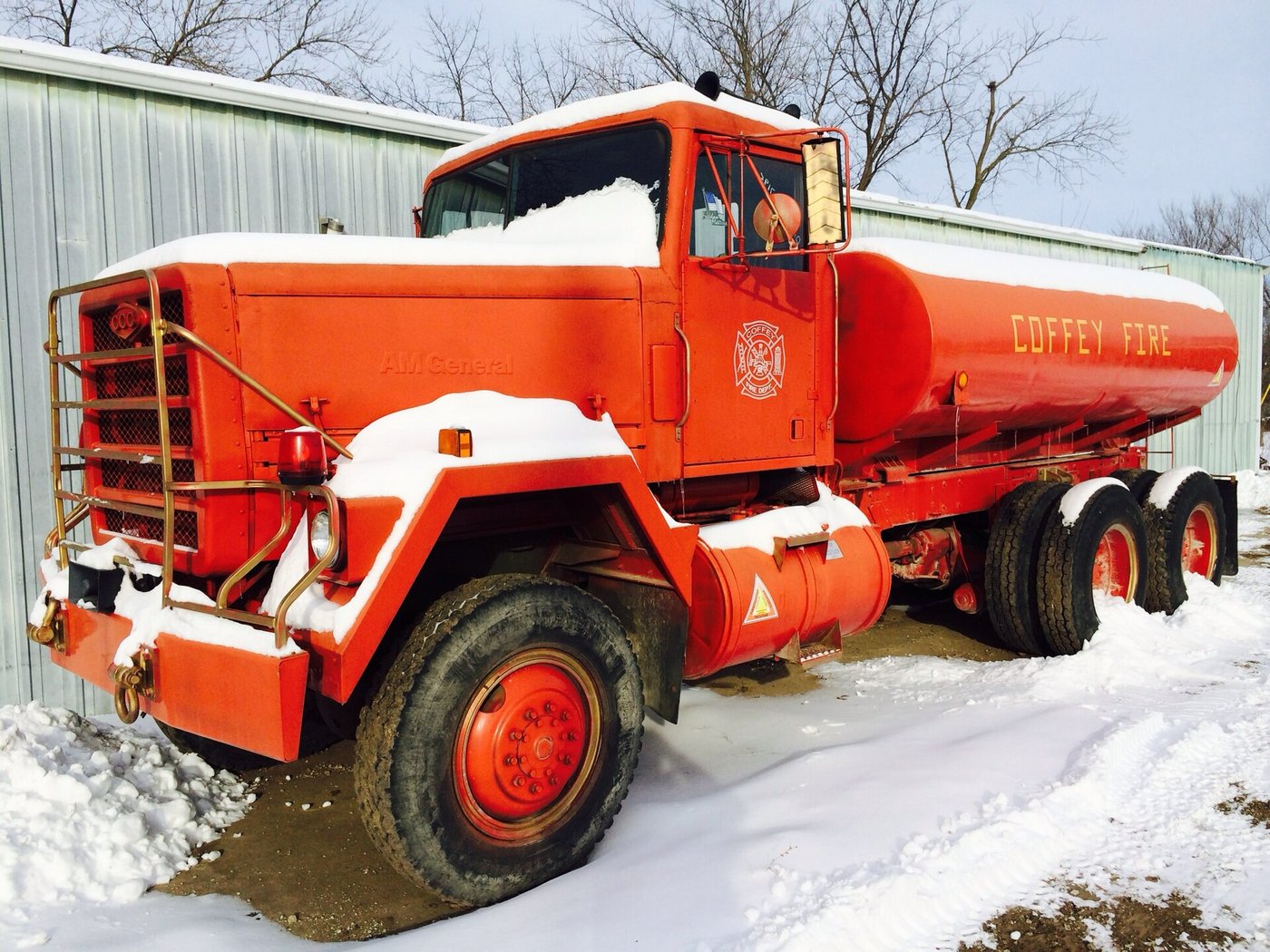
The work has gotten harder. Nationally, the count of volunteer firefighters fell from 897,750 in 1984 to 676,900 in 2020, while calls tripled, from under 12 million in 1986 to more than 36.6 million in 2021. Only 4 percent of calls in 2020 were for fires; 65 percent were medical or rescue. When a downpour flooded Scott City streets this past June, crews took about 30 calls. The department has about 18 members. Five or six were available that day.
These weren’t people who made a career out of responding to emergencies. They were people who made a commitment to their neighbors.
It’s easy to take for granted that help is just a phone call away. It’s worth remembering that, in many places, that help still comes from a neighbor.
Does your family still have a fire tag tucked in a drawer, or a story about the first truck in town? We would love to hear it.
Here’s to the volunteers who have answered the call for generations.
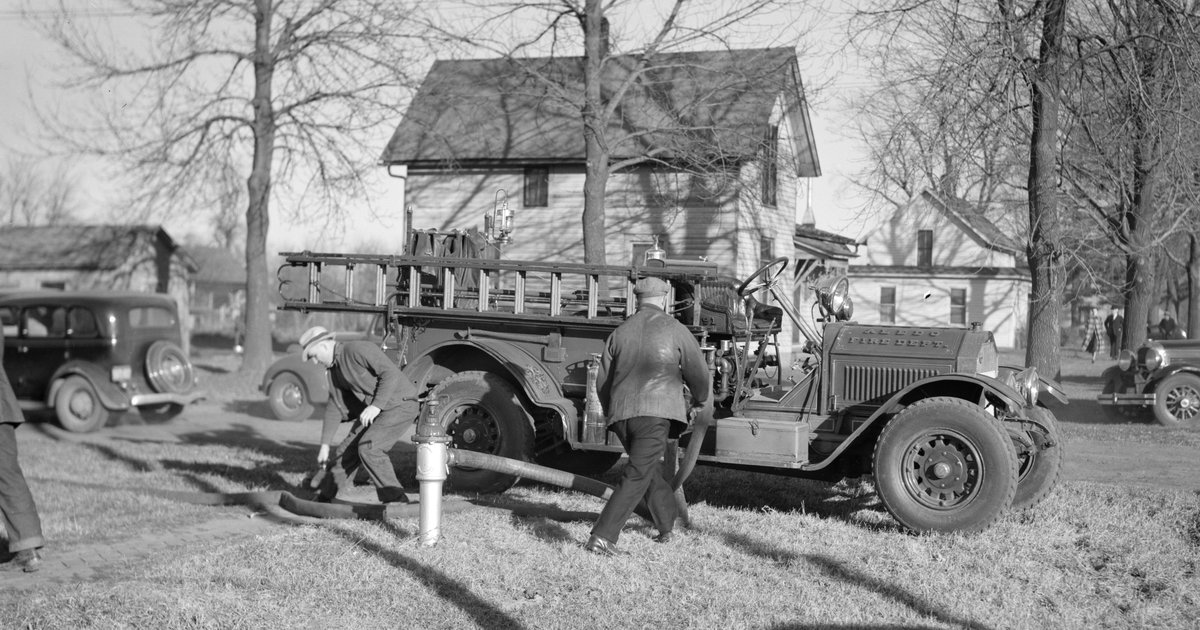
Top photo: A small-town volunteer fire department at work in Aledo, Illinois, November 1936. Russell Lee, Farm Security Administration, Library of Congress. The Jefferson County history here comes largely from Bill Haggard’s department-by-department accounts on the Jefferson County Heritage and Historical Society site.
Keep reading
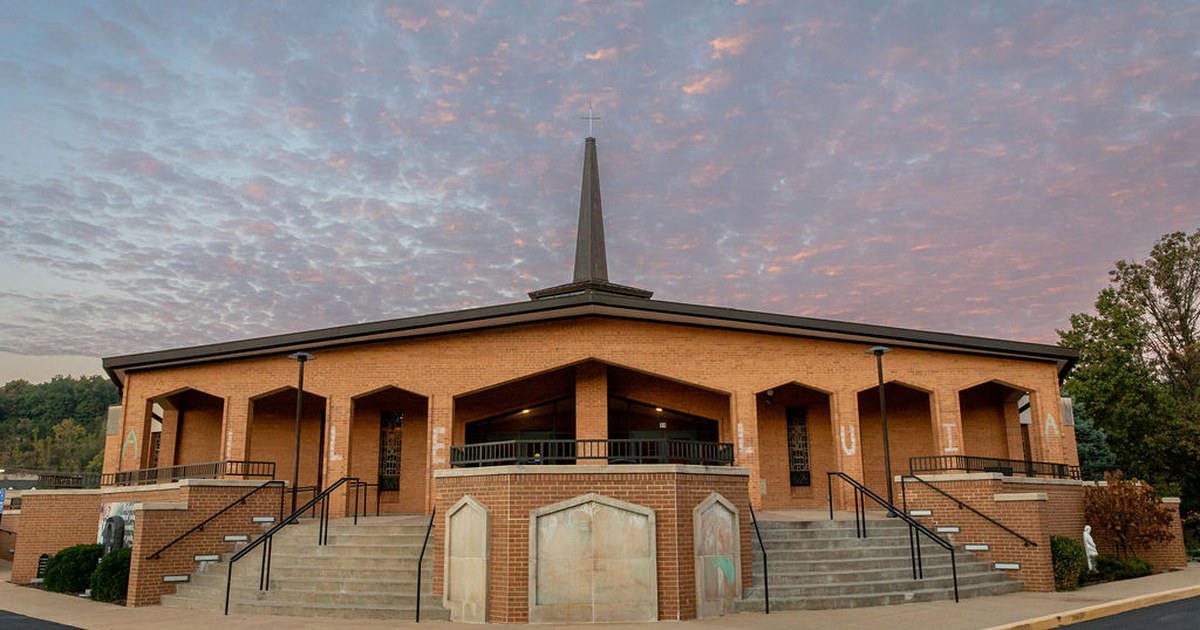
For 147 years, Fenton has shown up for St. Paul Catholic Church. Now the parish's Queen of Hearts jackpot is past $84,000, and only three cards remain.
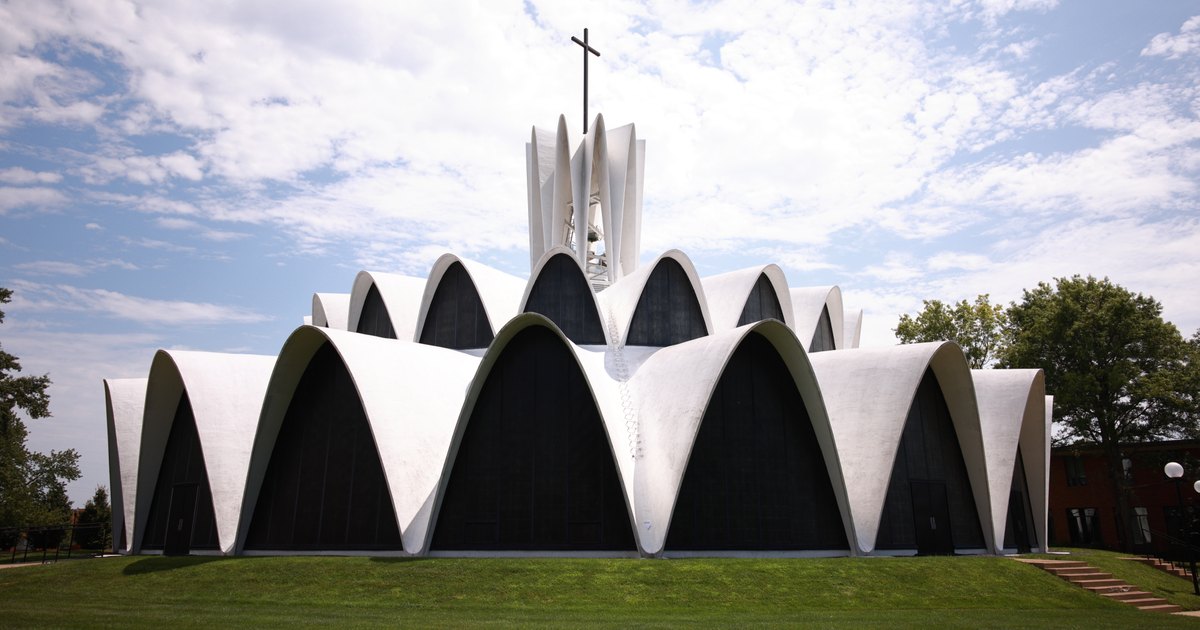
In 1955 St. Louis Catholics asked a Yorkshire abbey for monks to run a school for their sons. Three came, with no students, no classrooms and no playing fields. Seven decades later the monastery and school they started still stand on Mason Road.
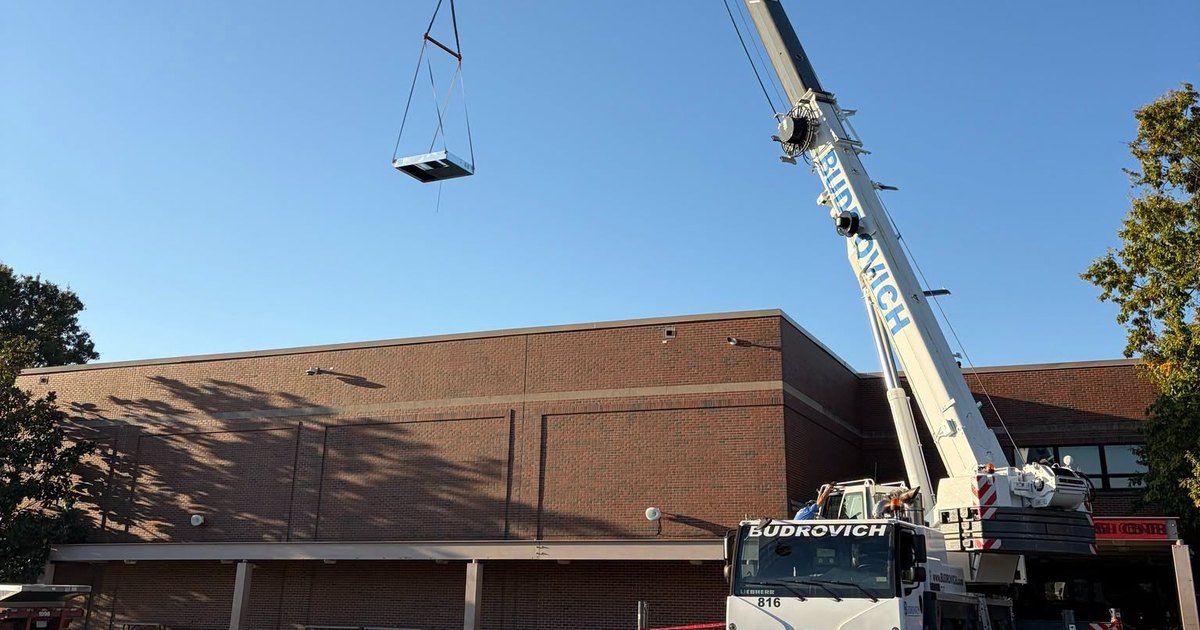
Four Queens, a $611,162 jackpot and more than $1.15 million in tickets later, the work Assumption's raffle has been raising money for is going in.