Community story
Some of Europe’s oldest Christmas customs are about giving, not getting. A few worth knowing as Advent begins.
The First Sunday of Advent falls on November 29 this year. For a lot of families, that is when the Christmas season really starts.
Some of the oldest Christmas customs carried over from Europe have less to do with what you get and more to do with what you give, and who you make room for. Here are three worth knowing.
December 6 is the feast of St. Nicholas, a bishop of Myra, in what is now Turkey, in the 300s. One of the oldest stories told about him is a legend, not a record: a poor father could not afford dowries for his three daughters, so Nicholas tossed a bag of coins through the window at night and slipped away so no one would know who had helped.
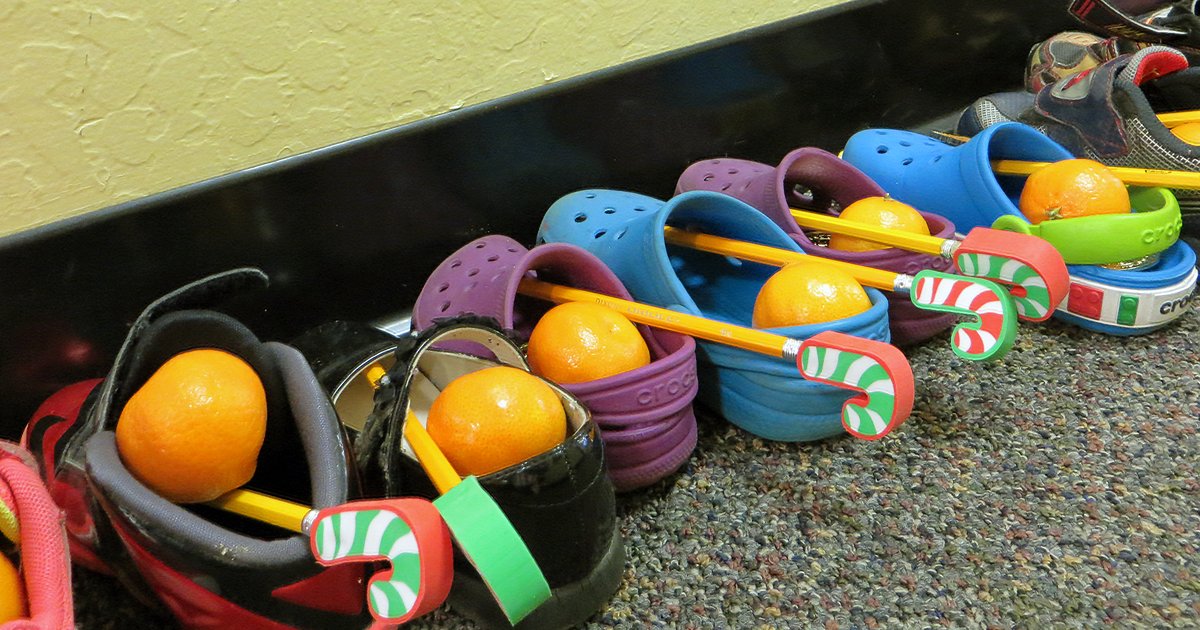
In the Netherlands and German-speaking lands, his feast became a day of gifts for children. Traditionally, on the eve of the feast, children set out their shoes, and by morning the shoes hold small treats. Some schools in the United States keep the custom too, like the preschool in the photo at the top of this page.
In Poland, Christmas Eve supper is called Wigilia. By tradition it begins when the first star appears, and before the meal the family shares a thin wafer, the opłatek, and trades good wishes.
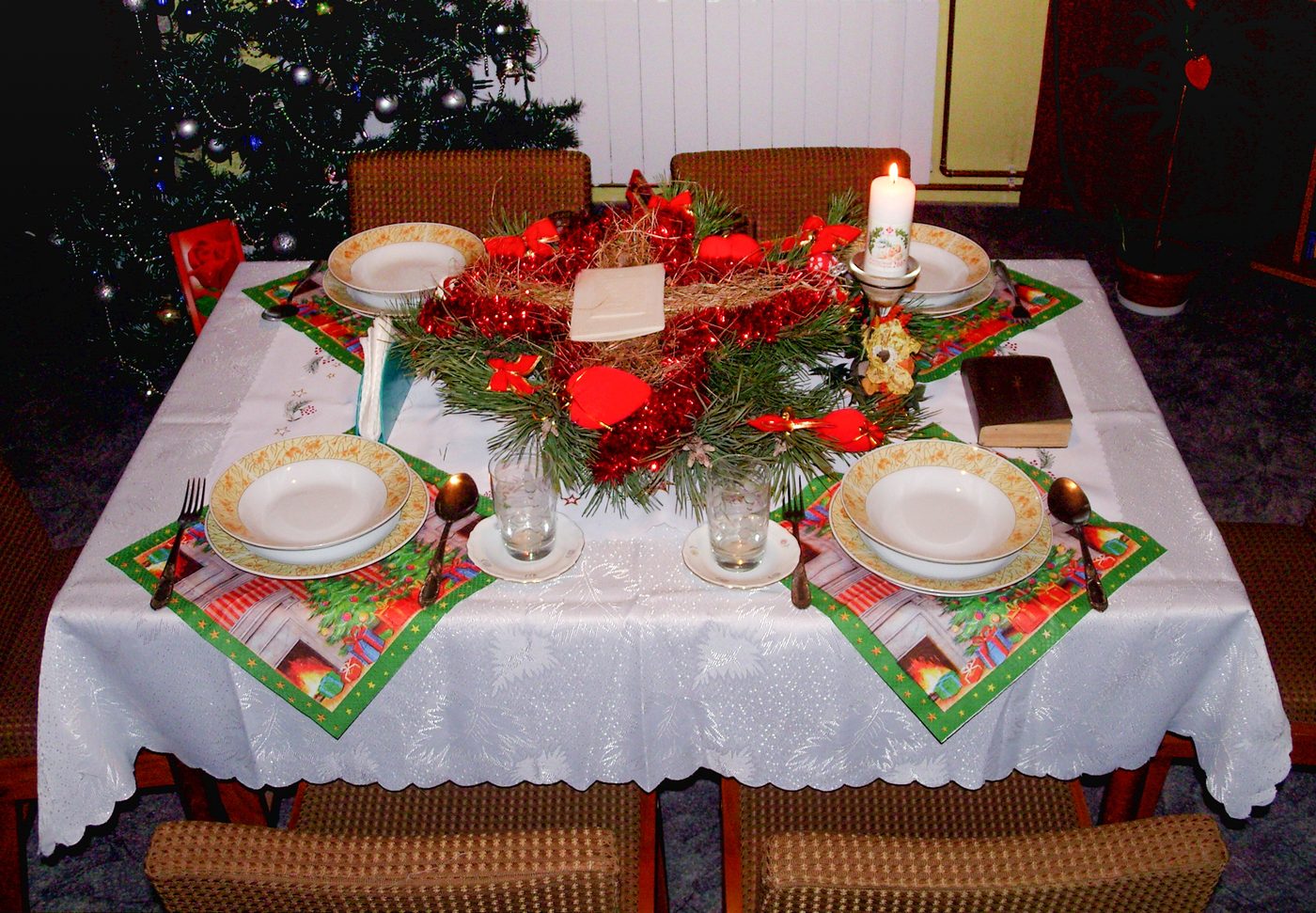
Traditionally the table also has one extra place set. Poland’s National Heritage Institute says that empty setting shows “openness and readiness to accept an unexpected guest,” and that today it also stands for solidarity. An older Catholic family book puts it more simply: no beggar or stranger is turned away on Christmas Eve, because no stranger is turned away on Christmas Eve, because he “may be Christ in disguise.”ldquo;it may be Christ in disguise.no stranger is turned away on Christmas Eve, because he “may be Christ in disguise.”rdquo;
“Good King Wenceslas” is the carol about a ruler who looks out on the Feast of Stephen, December 26, sees a poor man gathering winter fuel, and carries food, wine and pine logs to his door. That scene is the carol’s story, written by John Mason Neale and first published in 1853.
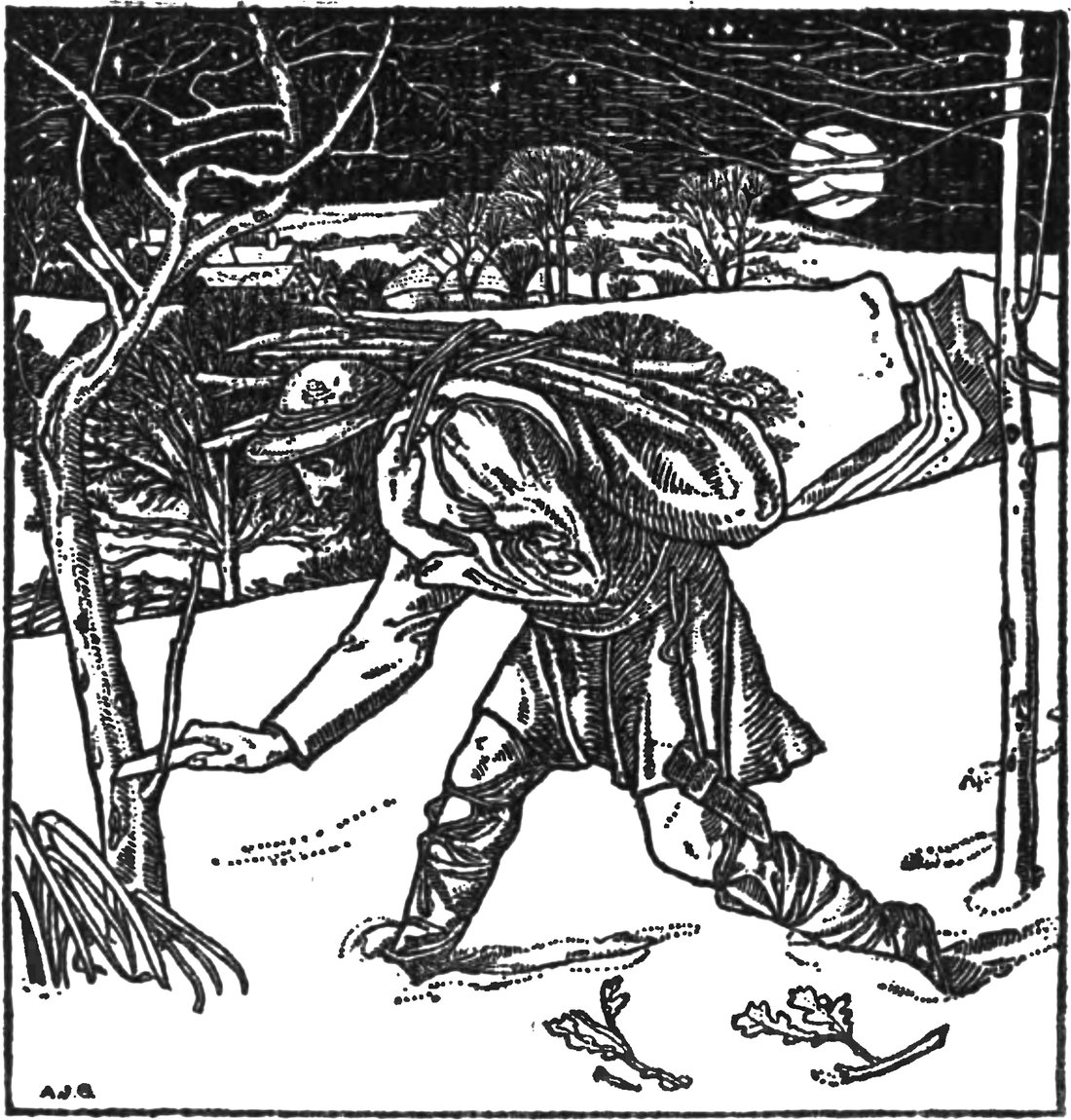
The real Wenceslas was a duke of Bohemia in the 900s. The title of king came after his death, and he is the patron saint of the Czech people. A medieval account of his life says he gave alms to widows, orphans and prisoners, so generously that he was called “the father of all the wretched.”
None of these customs is about a big gesture. A pair of shoes by the door. One extra plate. A walk through the snow with an armful of firewood.
Around here, that same habit of giving shows up in quieter ways. This year, parishes, schools and Knights of Columbus councils in both Missouri and Illinois have raised money with local raffles, and every ticket a neighbor buys is a small way of making room at the table.
So this Advent, maybe set out the shoes on December 5. Maybe set one extra place on Christmas Eve. Somebody will be glad you did.
Top photo: Children’s shoes filled with small gifts for St. Nicholas Day at a preschool in the United States, December 2013 (cropped). Photo: Changku88 / Wikimedia Commons, CC BY-SA 4.0.
Keep reading

For 147 years, Fenton has shown up for St. Paul Catholic Church. Now the parish's Queen of Hearts jackpot is past $84,000, and only three cards remain.

Knights of Columbus councils have spent generations serving their neighbors. Now, in towns across the Midwest, those neighbors are showing up for them.

The men who served beside Detective Antonio Valentine built a workout from the numbers of his life. On December 5 they run it a third time, with a raffle for first responder families.


