Community story
Before refrigerators, a fall day at the kettle turned a cellar of apples into a winter's worth of apple butter and a yard full of neighbors into a party. How Missouri became the country's apple state, how the Red Delicious got its name in Louisiana, Missouri, and where you can take a turn at the paddle this weekend.
Kimmswick, Missouri — and the river country around St. Louis
Early Saturday morning, in a town of 133 people about 25 miles down I-55 from the Arch, members of the Kimmswick Historical Society will get a fire going under a big kettle of apples and start stirring. They will keep at it all day, taking turns, while the festival crowd drifts past. By afternoon the pale, soupy fruit will have cooked down into something thick and dark brown, and the jars will be going fast.
It is an odd amount of trouble to go to in 2026, when apple butter comes in a jar from the grocery store. But for most of the families who settled this region, the kettle was not a festival attraction. It was how a fall harvest lasted through the winter, and it was one of the best parties of the year.
There is no butter in apple butter. It is apples, usually cooked in fresh cider, boiled for hours until the fruit’s own sugar caramelizes and the whole kettle turns thick and brown. The name is about the texture: it spreads.
That long boil was the point. Before refrigeration, a cellar full of apples was a race against rot. Some were dried, some pressed into cider and vinegar, and the rest could be cooked down until it held too little water, and too much sugar and acid, to spoil easily. In The Kentucky Housewife, published in Cincinnati in 1839, Lettice Bryan told cooks to boil pared apples in cider straight from the press, stir almost constantly with a wooden paddle and keep going until the butter was “almost thick enough to slice.” Put up in jars with folded paper tied over the top, she wrote, “it will keep good more than a year.”
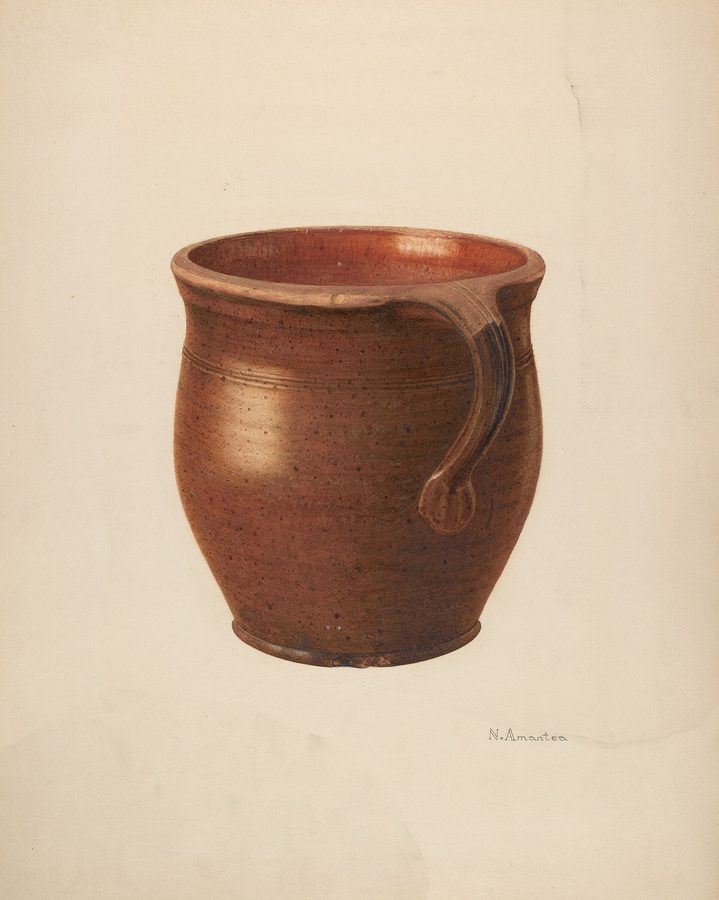
The recipe was old even then. Apple butter’s roots run back to the monastery orchards of the Rhineland and the Low Countries, where Germans still call it Apfelkraut. Pennsylvania German families turned the fall boiling into a gathering of its own, and as their children and neighbors moved west they carried the kettle with them. Most of the first Americans to farm Missouri came from the Upland South — Kentucky, Tennessee, Virginia and North Carolina — where an apple-butter boiling was a fixture of fall. And Hermann, the heart of the Missouri Rhineland, was founded in 1837 by the German Settlement Society of Philadelphia.
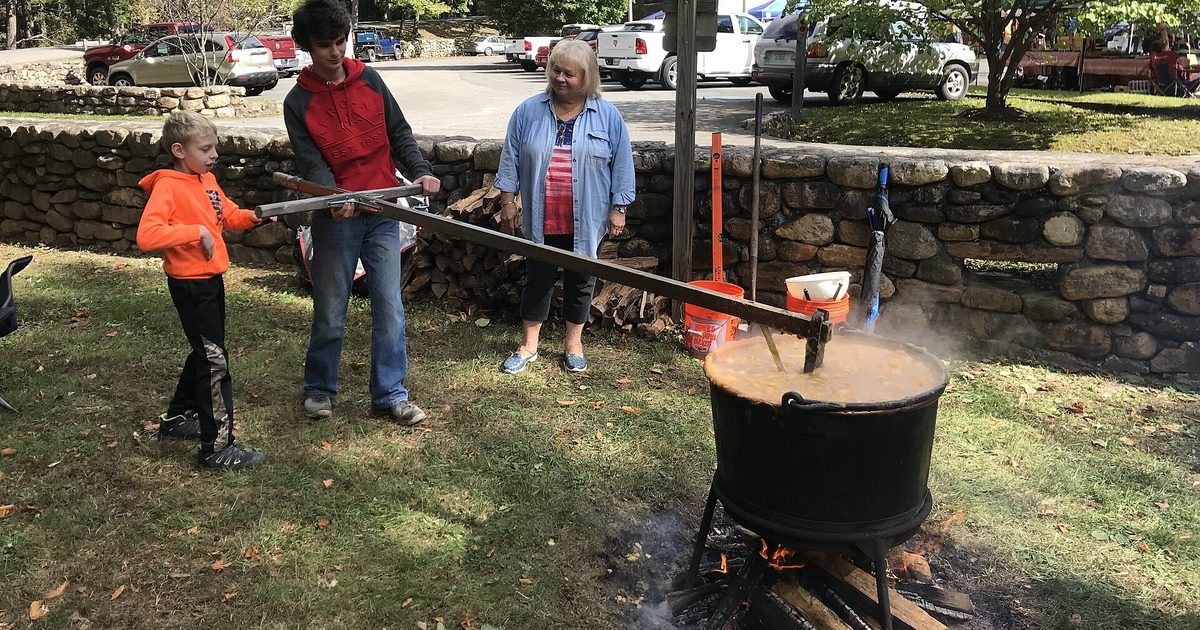
Making it by hand took a long day and a lot of hands. The apples had to be pared, cored and quartered by the bushel, a job Pennsylvania Germans shared at “schnitzing” parties. The kettle went over an outdoor fire, oak if you had it, because oak burns steady without much flame. Then someone had to stir, without stopping, for as long as twelve hours. As Bryan warned, walk away from the paddle and it was “certain to scorch.”
So families did what people around here still do with a long job: they invited company. Old accounts of apple-butter “frolics” from the Upland South are full of rules. Courting couples were handed the paddle together, and a couple who splashed the butter owed each other a kiss. A few pennies went into the bottom of the kettle to keep the butter from sticking, and whoever found one kept it for luck. The proper stroke was twice around the sides and once across the middle. And the butter was done when a dab of it stayed put on a plate turned upside down.
Between turns, people told stories, caught up on the neighbors and sang. The first taste came hot from the kettle on fresh bread, and the jars that went down to the cellar that night held a whole day of a family’s fall.
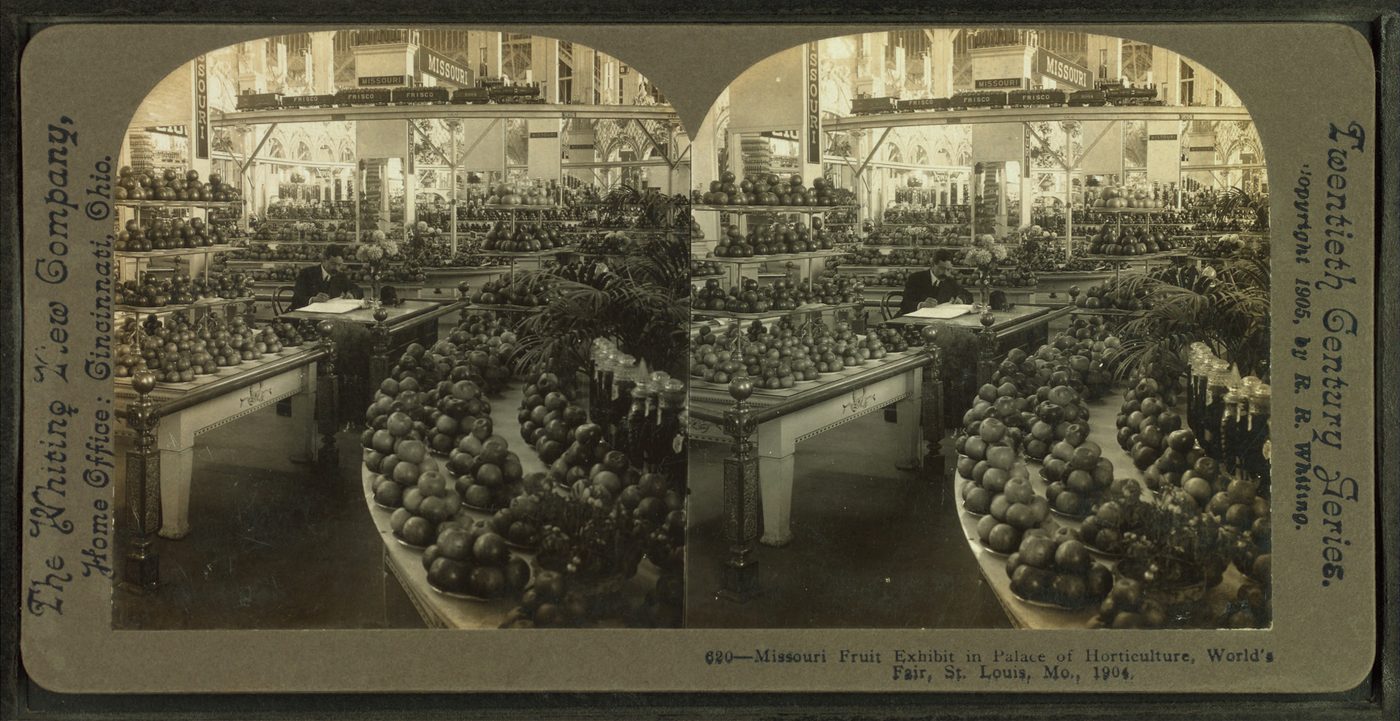
By the end of the 1800s Missouri was selling itself on apples. An 1891 railroad booklet called the Ozarks “the Land of the Big Red Apple,” and in 1895 Oregon County named a whole township Big Apple. The boast held up. The 1900 census counted 20,040,399 apple trees in Missouri, more than any other state, with New York second at about 15 million. Illinois was third, with 13.4 million, and Marion County, Illinois, around Salem and Centralia, had nearly 800,000 trees, fifth among all the counties in the country.
The workhorse of those orchards was the Ben Davis, a tough apple that kept for months and stood up to shipping. Growers called it the “mortgage lifter” because it bore so reliably, and a post office in Texas County, Missouri, took the name Bendavis. Eaters were less fond of it. That would matter.
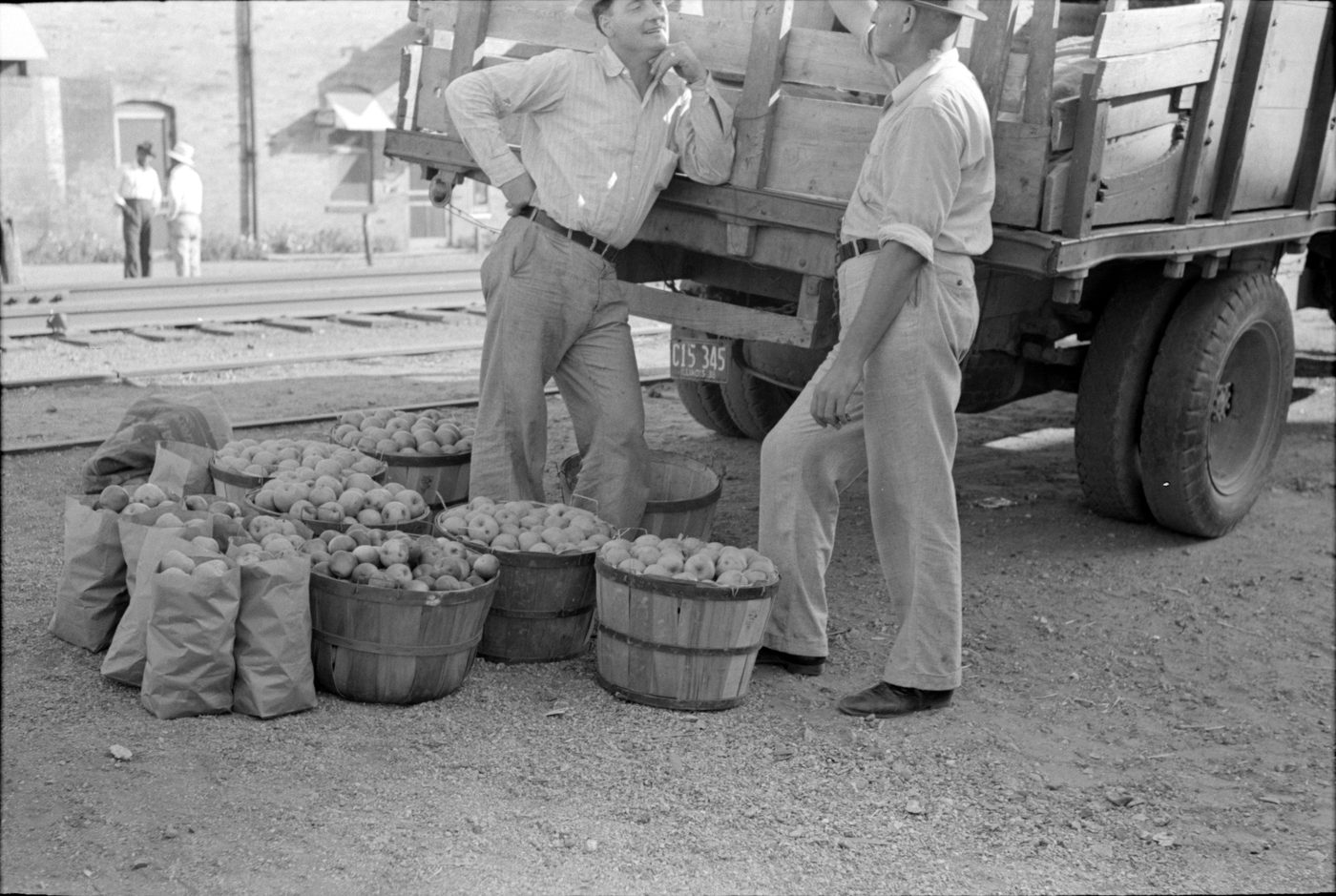
In 1816, five years before Missouri was a state, James Hart Stark came from Kentucky with a bundle of apple scions, the cuttings growers graft onto rootstock, and started a nursery near Louisiana, on the Mississippi in Pike County. By the 1890s Stark Bro’s was hunting for an apple that tasted better than the Ben Davis and ran fruit contests to find one.
At the 1893 contest the winner was a seedling sent in by an Iowa farmer named Jesse Hiatt, who called it the Hawkeye. Its name tag had been lost, and nobody knew whose apple it was. Hiatt entered it again in 1894, it won again, and the Starks bought the rights and gave it a new name. The family story is that Clarence Stark bit into it and said one word: “Delicious.” In 1914 they added the Golden Delicious, a chance seedling from a farm in Clay County, West Virginia. For more than half a century, until the Gala passed it in 2018, the Red Delicious was the most-grown apple in the United States.
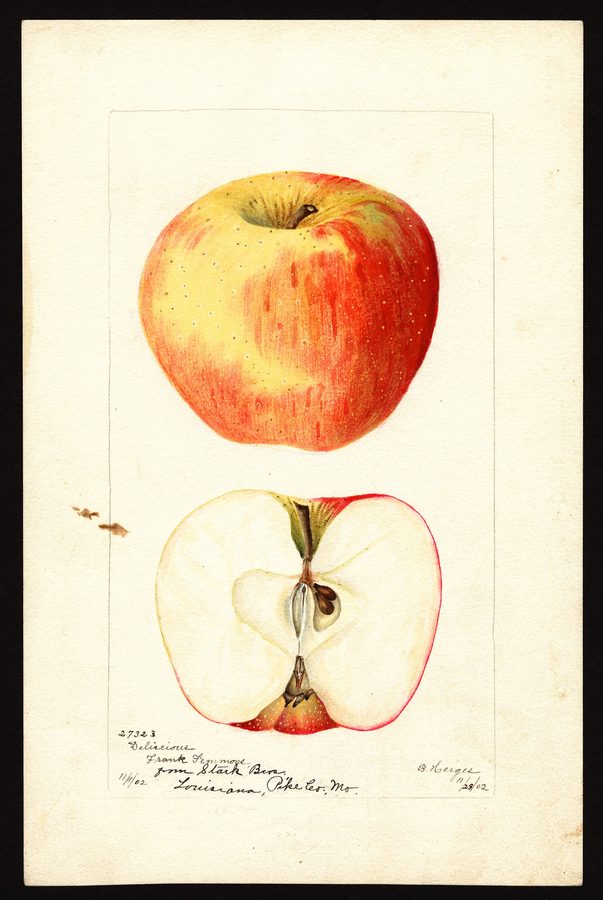
Today: Stark Bro’s is still in Louisiana, more than two centuries after that first bundle of scions, still selling fruit trees.
The Illinois side has its own long memory. Johann Peter Eckert left Dietzenbach, in the German state of Hesse, for Pittsburgh in 1837. His son Michael planted fruit trees near Fayetteville, Illinois, in 1862, and his grandson Henry put in an orchard on Turkey Hill Farm in Belleville in 1890. In 1910 Alvin Eckert opened a roadside stand there. The sixth and seventh generations of the family run Eckert’s today.
Just upriver, Calhoun County’s orchards grew on the long peninsula between the Illinois and Mississippi rivers, and for generations the fruit left by water. Steamboats like the Belle of Calhoun were known for carrying cargoes of apples each fall, and the county’s 1934 history says that as late as 1925 people there depended on the steamboat nearly as much as their grandparents had.
In 2007 Illinois made an apple its official state fruit: the GoldRush, bred by the University of Illinois with Purdue and Rutgers. The idea came from a fourth-grade class in Woodlawn, in southern Illinois.
Nobody needs a kettle to get through the winter anymore. Towns around here keep lighting them anyway, because a kettle is still very good at what it always did best: getting a crowd to show up and work together for something.
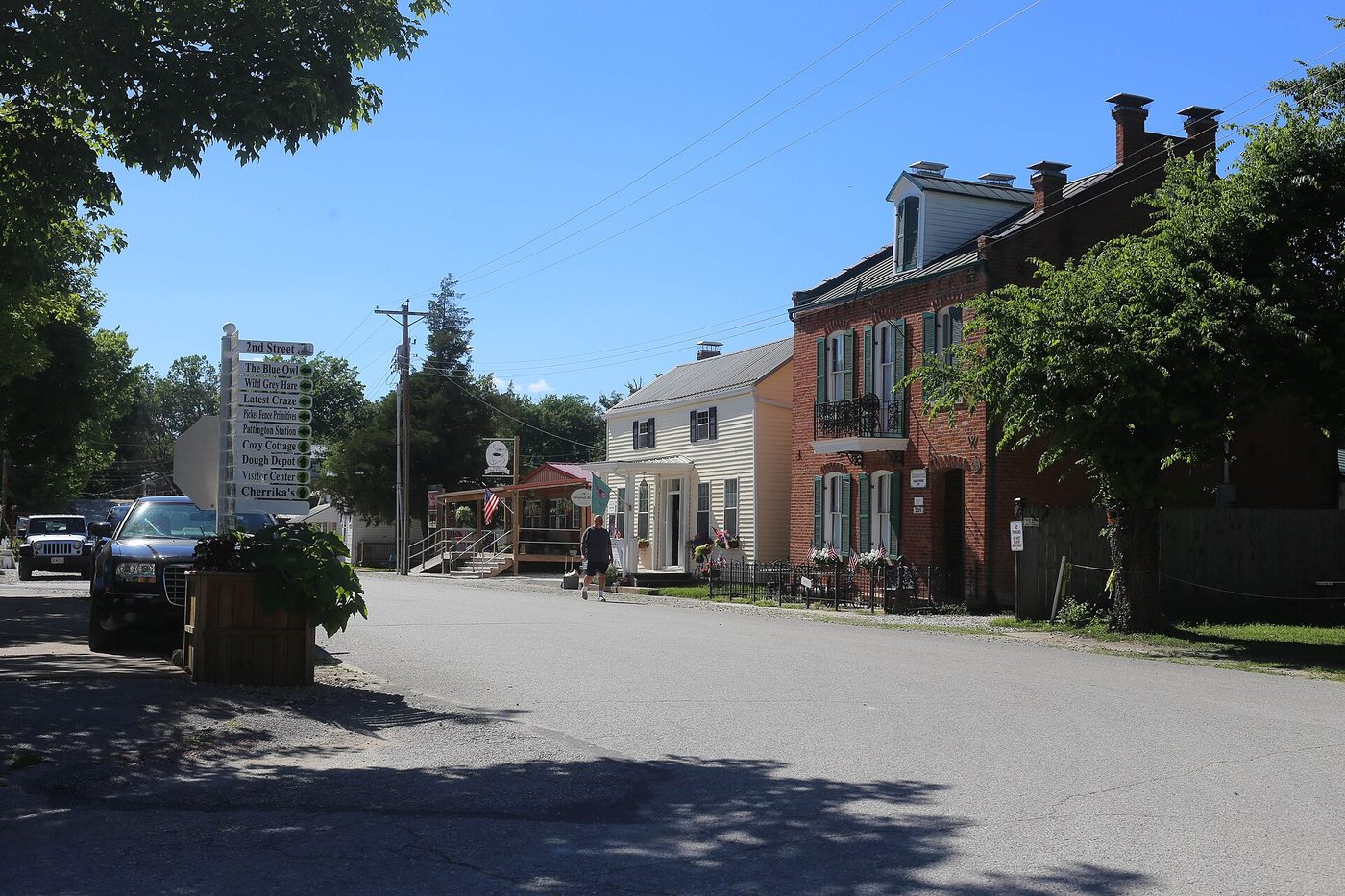
Kimmswick Apple Butter Festival, Saturday and Sunday, October 24–25, 10 a.m. to 5 p.m. The festival goes back to the mid-1970s; 2018 was its 42nd year. The Historical Society peels its apples ahead of time and cooks one big kettle each day at its Apple Butter Shed on Market Street, where visitors can take a turn stirring. A kettle makes about 250 jars, so most of the roughly 5,000 jars the society sells are made for it by a company it hires, and the profits go to the society. The festival matters even more to the town itself. In 2024 it drew about 150,000 people and raised more than $100,000 for Kimmswick, and together with June’s Strawberry Festival it makes up about 80 percent of the city’s budget. While you are there, The Blue Owl’s Levee High Apple Pie, 18 apples and ten pounds of it, was inspired by the Great Flood of 1993.
Apple Butter Makin’ Days in Mount Vernon, in southwest Missouri, held its 60th festival earlier this month. It began in 1967, when a couple of churches made apple butter on the Lawrence County courthouse lawn to raise money. The apple butter is still made on that lawn before dawn, about 100,000 people come to a town of fewer than 5,000, and most of the booths are run by local nonprofits and churches. For many of them it is the biggest fundraiser of the year.
Eckert’s Millstadt farm offers apple picking in the fall, for anyone who wants to start with the apples.
The kettle was never only about the apples. It was a day when everyone had a job, the kids got a turn at the paddle, somebody told the story they told every year, and the work got done because nobody had to do it alone. That is still how a lot of small towns and churches around here pay their bills, and it is why the fires will be lit again this weekend.
Did your family make apple butter? In a copper kettle in the yard, in a pot on the stove or in a slow cooker. Whose recipe it was, who got stuck stirring, whether anyone ever found the penny. We would like to hear about it.
Top photo: Taking a turn at the paddle during Apple Day at a Virginia state park, October 2018. Photo: Virginia State Parks, via Wikimedia Commons (CC BY 2.0).
Keep reading
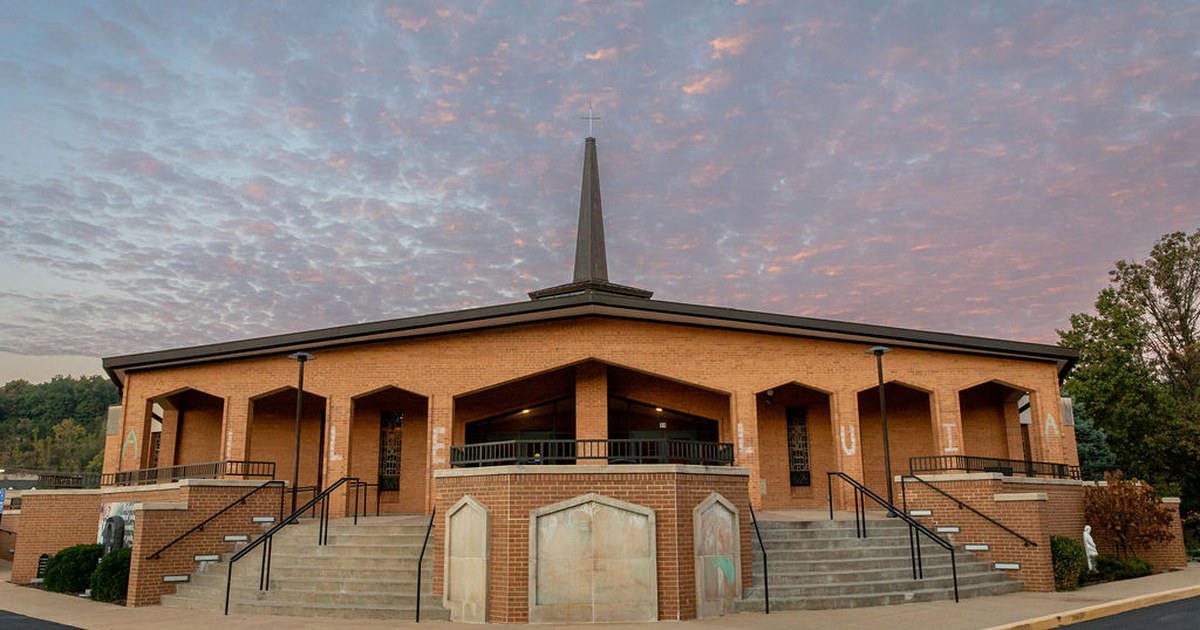
For 147 years, Fenton has shown up for St. Paul Catholic Church. Now the parish's Queen of Hearts jackpot is past $84,000, and only three cards remain.
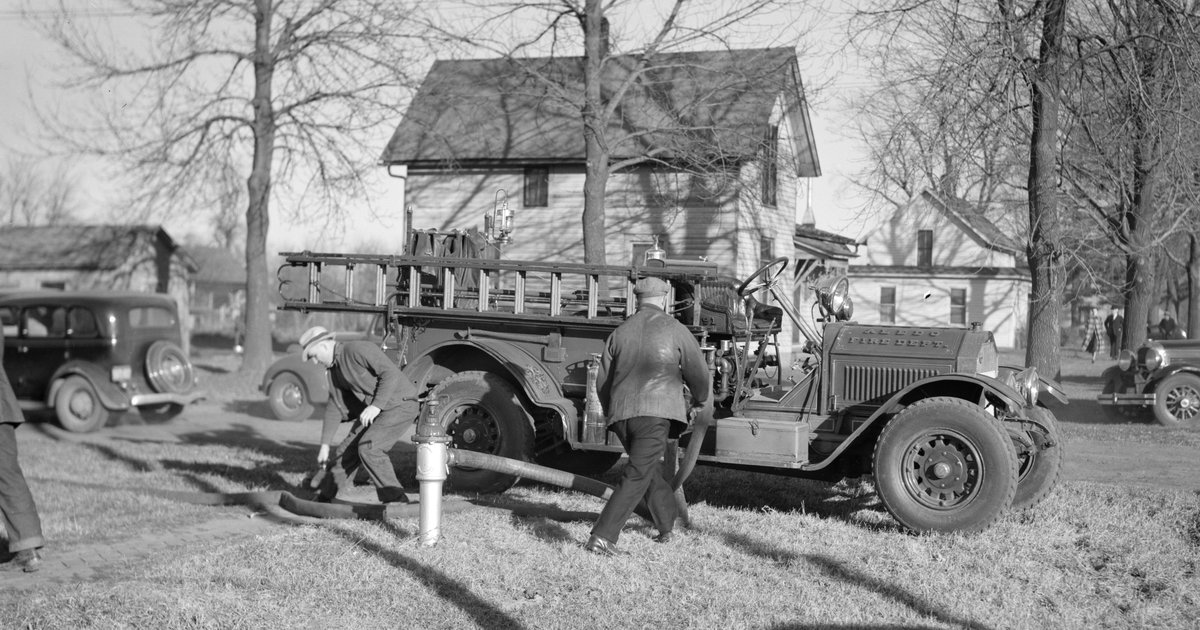
A 1917 Packard bought out of a junkyard for $325, a firehouse paid for in wine, an ambulance district that ran on collection jars: how neighbors around St. Louis built their own emergency services before 911
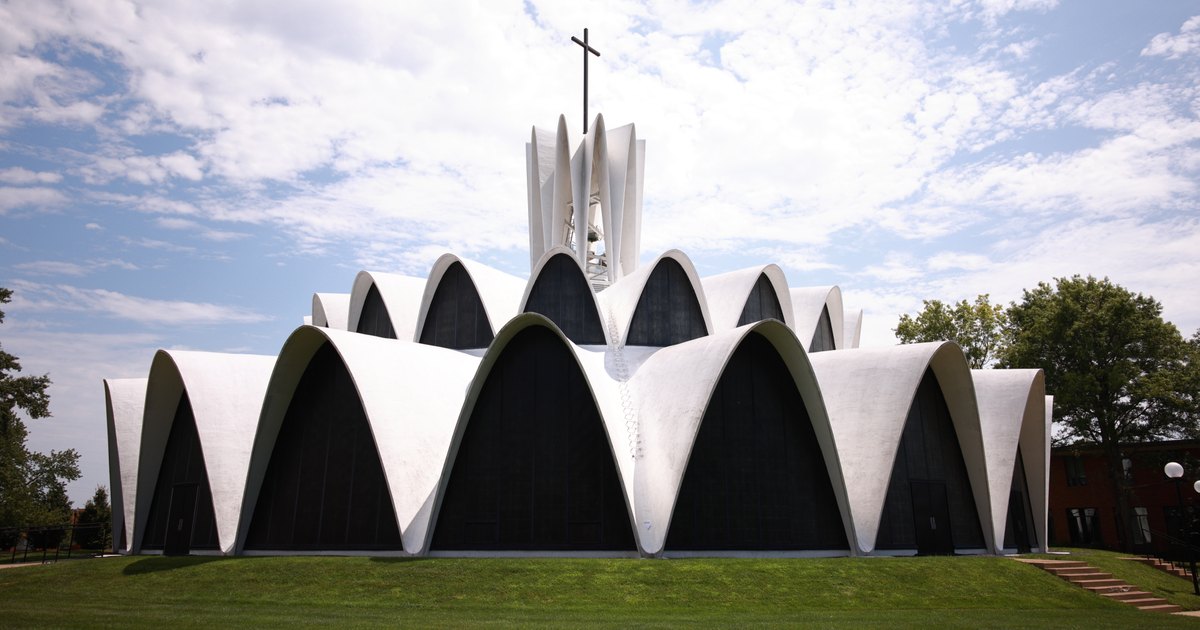
In 1955 St. Louis Catholics asked a Yorkshire abbey for monks to run a school for their sons. Three came, with no students, no classrooms and no playing fields. Seven decades later the monastery and school they started still stand on Mason Road.