Community story
A widow's gift of two city blocks, a Bohemian parish, a tornado and a city plan that called for bulldozers. Soulard outlasted all of it, and then it threw a party.
Soulard, Missouri — City of St. Louis
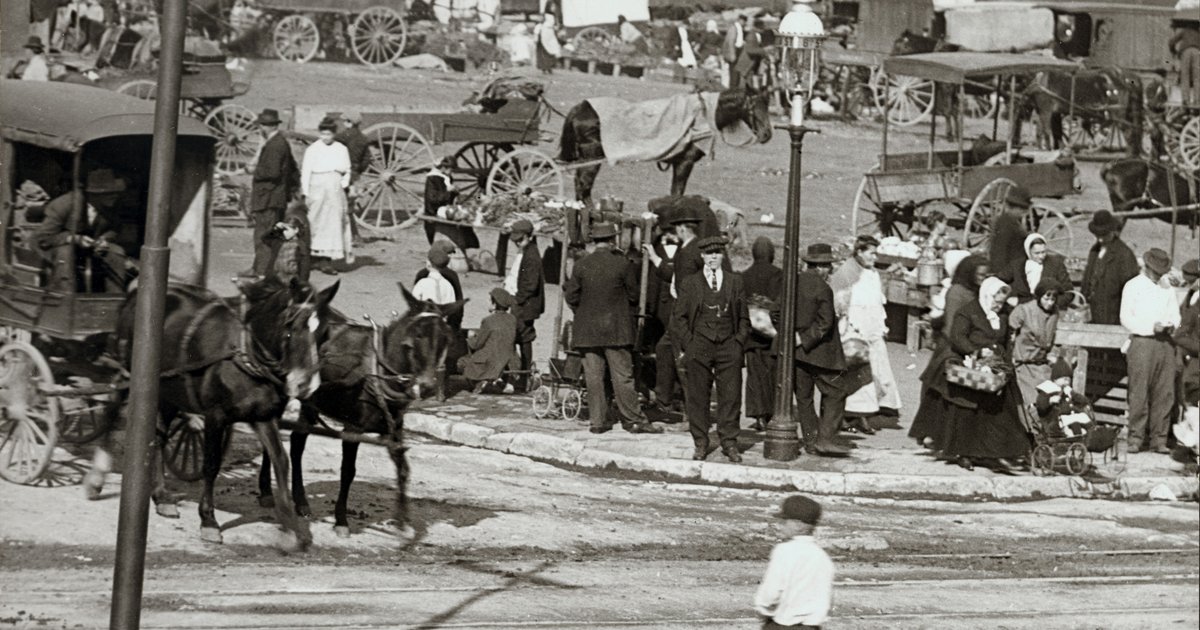
Every Saturday morning, thousands of people squeeze down the aisles of Soulard Market to buy tomatoes, sausages and cut flowers. Most of them have no idea they are standing on a gift. In 1841 a widow handed St. Louis two city blocks on one condition: that they stay a public market. One hundred and eighty-five years later, they still are.
Antoine Soulard came to St. Louis in the 1790s, a refugee from the French Revolution who went to work as a surveyor for the Spanish government that ran the town. In 1795 he married Julia Cerré, whose father, Gabriel Cerré, held a Spanish land grant on the flat meadow south of the village. By the market’s own reckoning, farmers were already selling their crops on that meadow in 1779.
Antoine died in 1825. Julia took title to the land in 1836, and in 1841 she began deeding two blocks of it to the city with her one string attached. She died in 1845. Her name, and her husband’s, ended up on the whole neighborhood that grew up around the market.
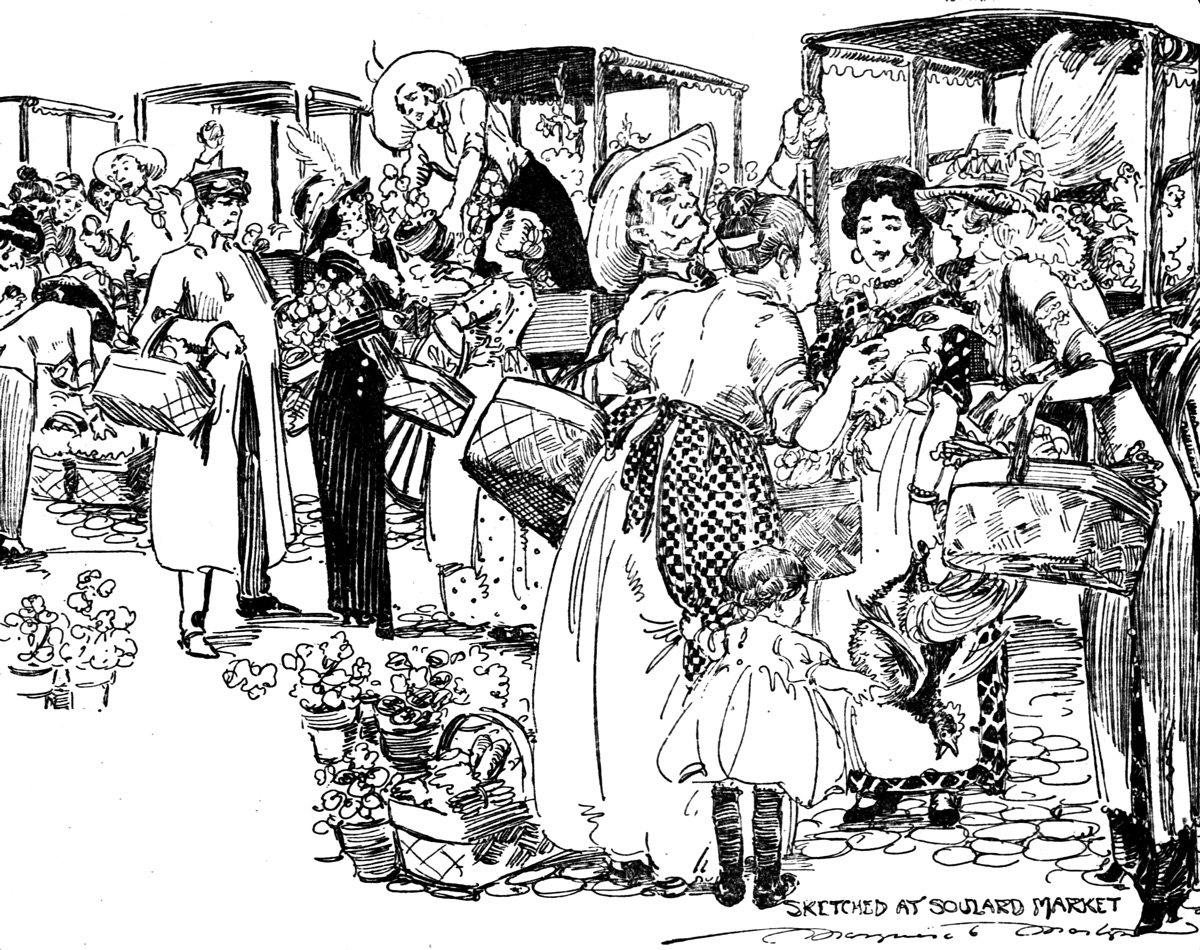
Starting in the late 1840s, waves of German immigrants poured into south St. Louis, and Soulard filled up with them. After the Great Fire of 1849 burned much of the riverfront, the city required new buildings to be brick, which is why Soulard today is block after block of red brick rowhouses.
In 1860 a soap maker named Eberhard Anheuser took over a small brewery on the south edge of the neighborhood. His son-in-law, Adolphus Busch, joined him a few years later. Anheuser-Busch has brewed beer in Soulard ever since.
Czech immigrants came too, and settled on the rise west of the market that became known as Bohemian Hill. In 1854 they built a small frame church and named it for St. John Nepomuk. It was the first Bohemian Catholic parish in the United States.
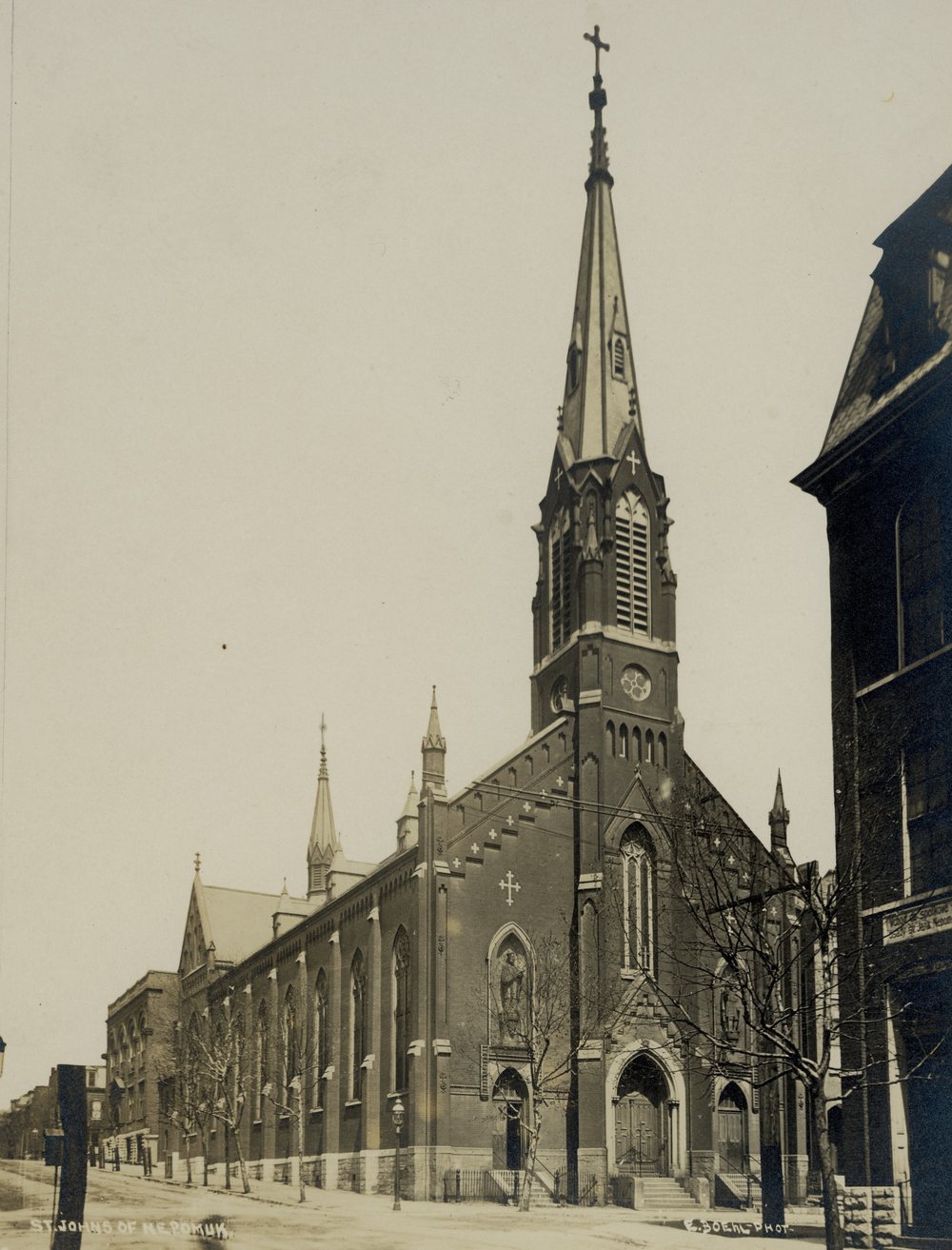
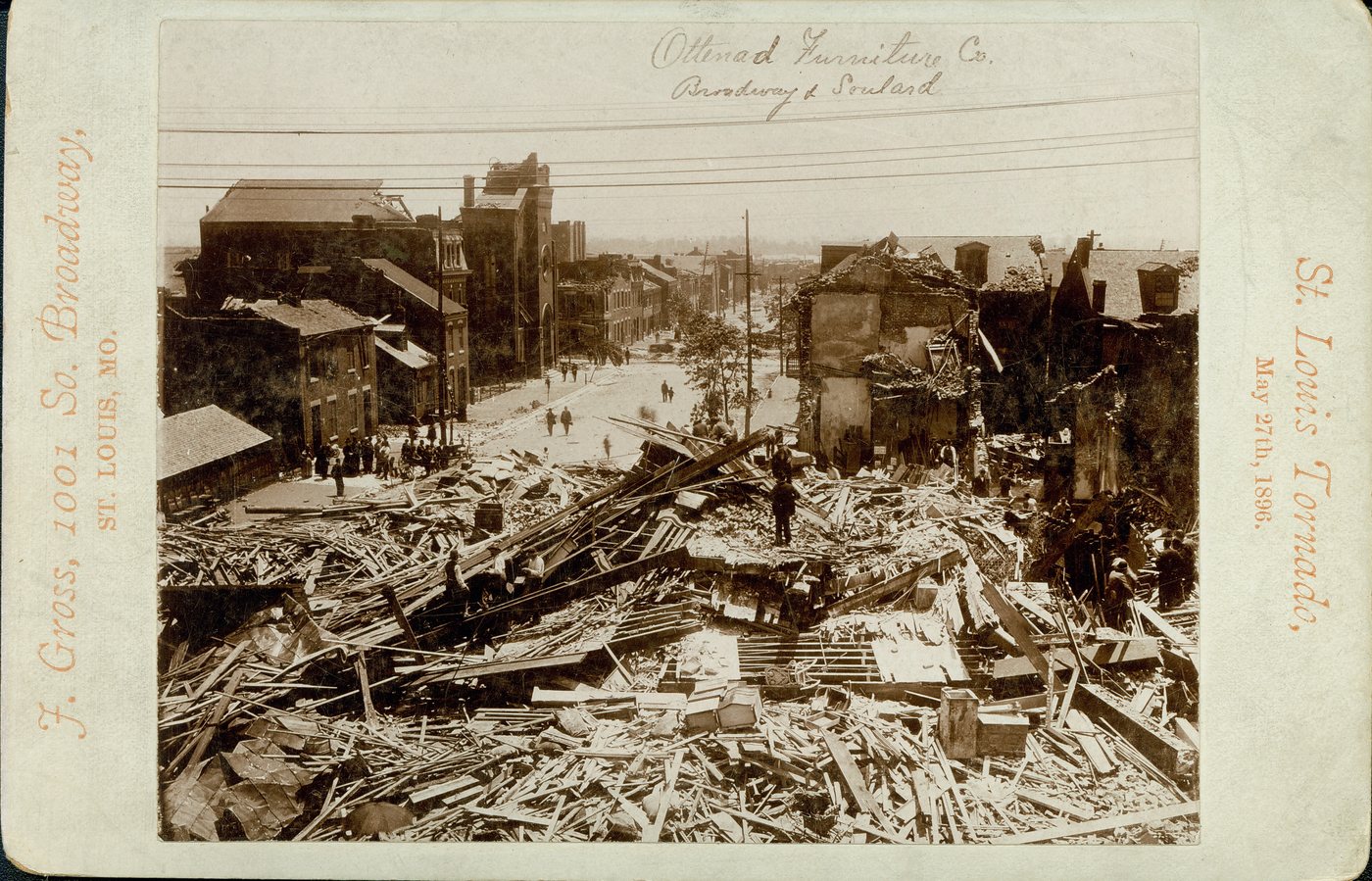
On May 27, 1896, one of the deadliest tornadoes in American history tore through St. Louis and across the river into East St. Louis. Soulard took a direct hit. The roof of the market was blown off and much of the building was flattened. Nine people were found dead in its rubble. St. John Nepomuk was heavily damaged.
The neighborhood rebuilt. The Czech parish finished a new red brick church in 1897, a year after the storm. The market was patched up and kept going until 1929, when the city opened the building that stands there now, designed by Albert Osberg and modeled on Brunelleschi’s Foundling Hospital in Florence. It is a little piece of Renaissance Italy in south St. Louis.
The bigger danger came on paper. After World War II, families moved to the suburbs and Soulard’s old brick houses went downhill. The city’s Comprehensive Plan of 1947 recommended clearing the neighborhood wholesale. In the 1960s an urban renewal plan proposed to level it, while new interstates cut through its edges.
The people who still lived there said no. Led by Bob Brandhorst and Joyce Sonn, the Soulard Neighborhood Improvement Association fought the demolition plans and the forced removal of longtime residents, and won. In 1972 Soulard became a city historic district and was listed on the National Register of Historic Places. Young couples started buying the empty rowhouses and fixing them up one at a time. Nobody handed the neighborhood a redevelopment budget. It was saved house by house.
In the winter of 1979, five friends, Hilary Clements, Bob Brinkmann, James Rabbitt, Bill Stubbs and Bill Coleman, decided St. Louis needed something to get through February. Each kicked in $250. In February 1980 they threw a Mardi Gras party at 1017 Russell Boulevard for about two hundred friends, and at midnight a few horns led the crowd out into the freezing street.
They did it again the next year, and the year after that. By 1999 Soulard Mardi Gras was drawing an estimated half a million people, and it now fills more than a month with parades, a pet parade and a long list of neighborhood events.
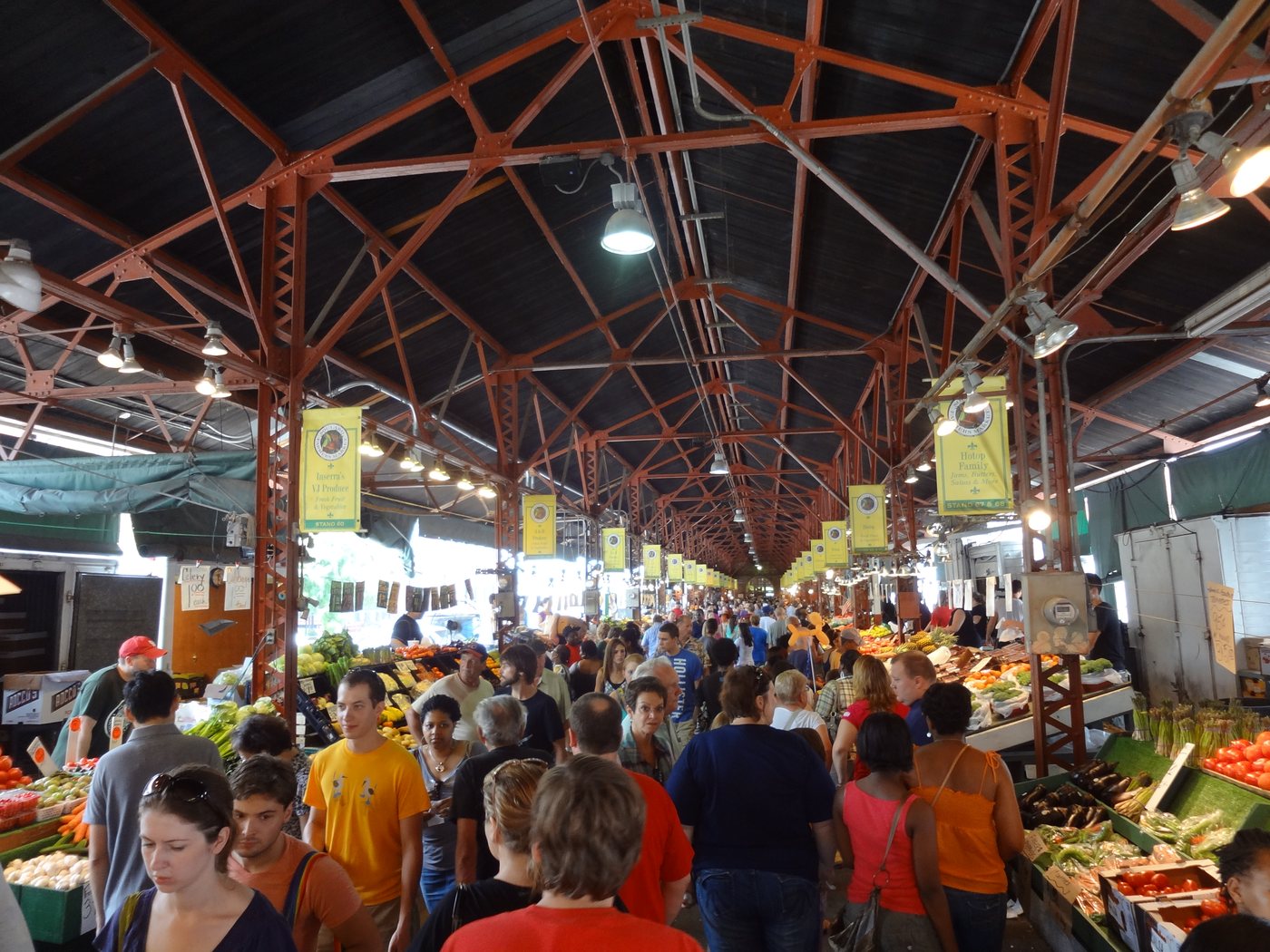
A widow who made sure the market would always belong to the public. Immigrants who built a parish with their own hands, and then built it again. Neighbors who stood in front of the bulldozers. Five friends with $1,250 and a bad case of cabin fever. None of it came from a big budget. All of it came from people deciding Soulard was worth the effort.
That is what we see every week at Go Raise Dough. The parishes, schools, clubs and fire departments raising money with us are doing what Soulard has always done: taking care of their own, one ticket and one neighbor at a time.
That’s Soulard. And that’s still how St. Louis works.
Keep reading
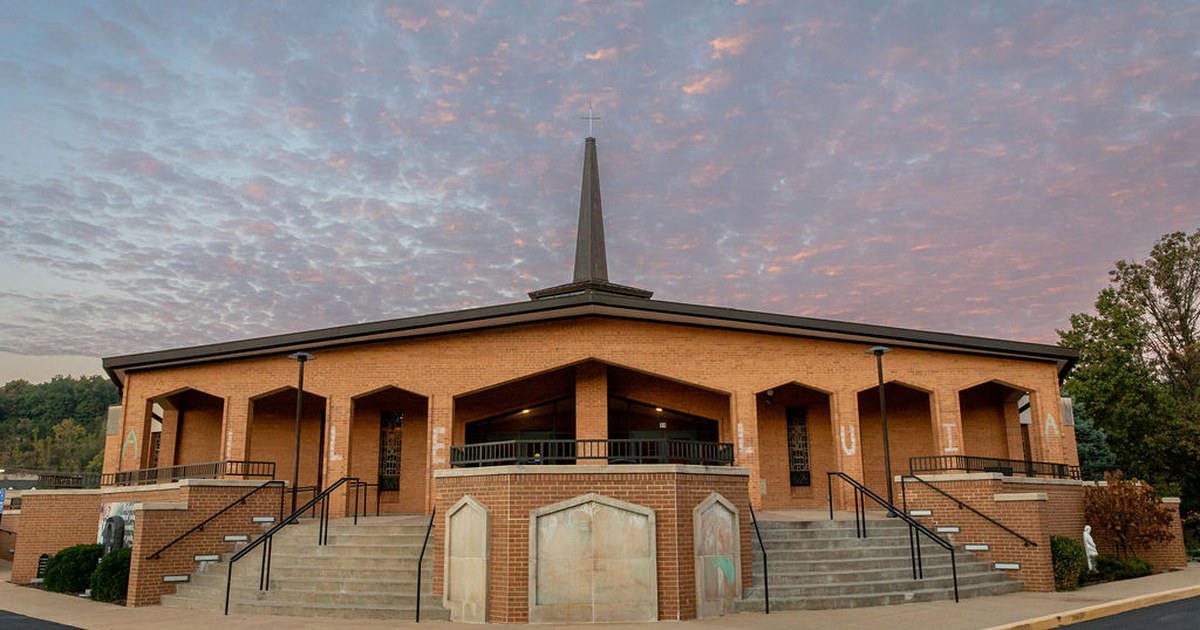
For 147 years, Fenton has shown up for St. Paul Catholic Church. Now the parish's Queen of Hearts jackpot is past $84,000, and only three cards remain.
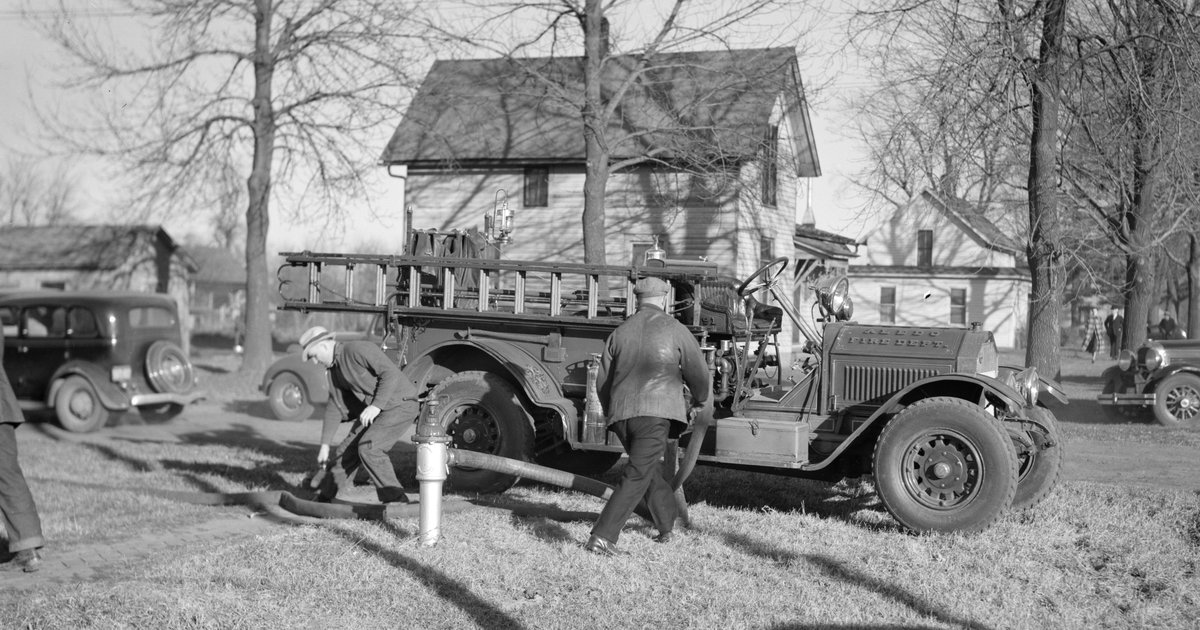
A 1917 Packard bought out of a junkyard for $325, a firehouse paid for in wine, an ambulance district that ran on collection jars: how neighbors around St. Louis built their own emergency services before 911
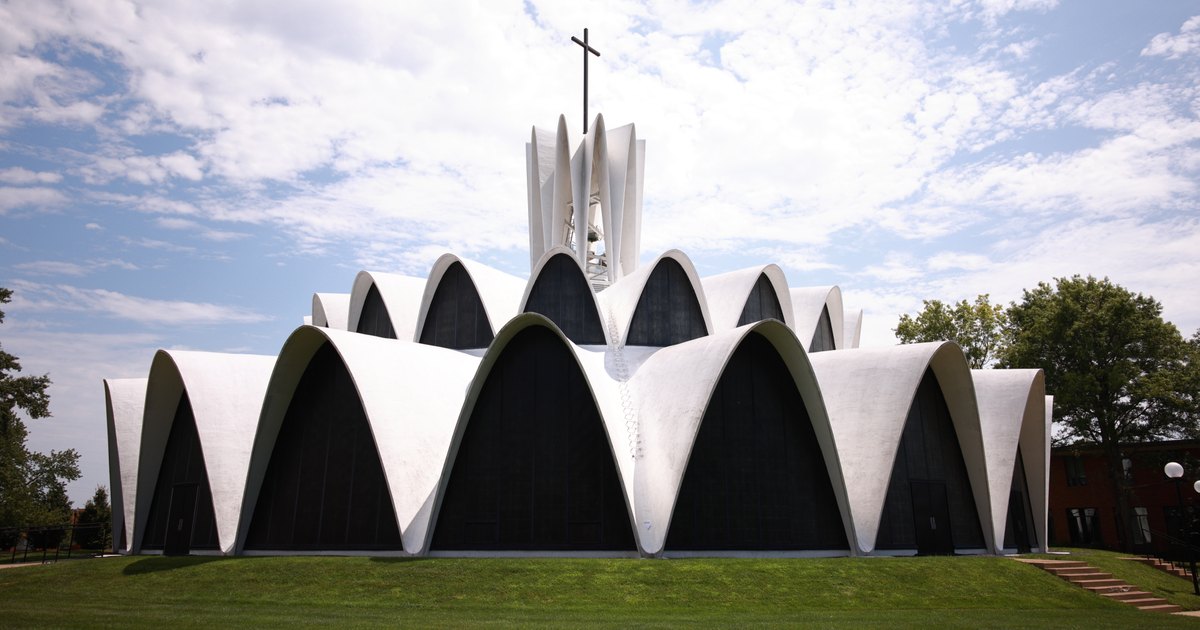
In 1955 St. Louis Catholics asked a Yorkshire abbey for monks to run a school for their sons. Three came, with no students, no classrooms and no playing fields. Seven decades later the monastery and school they started still stand on Mason Road.