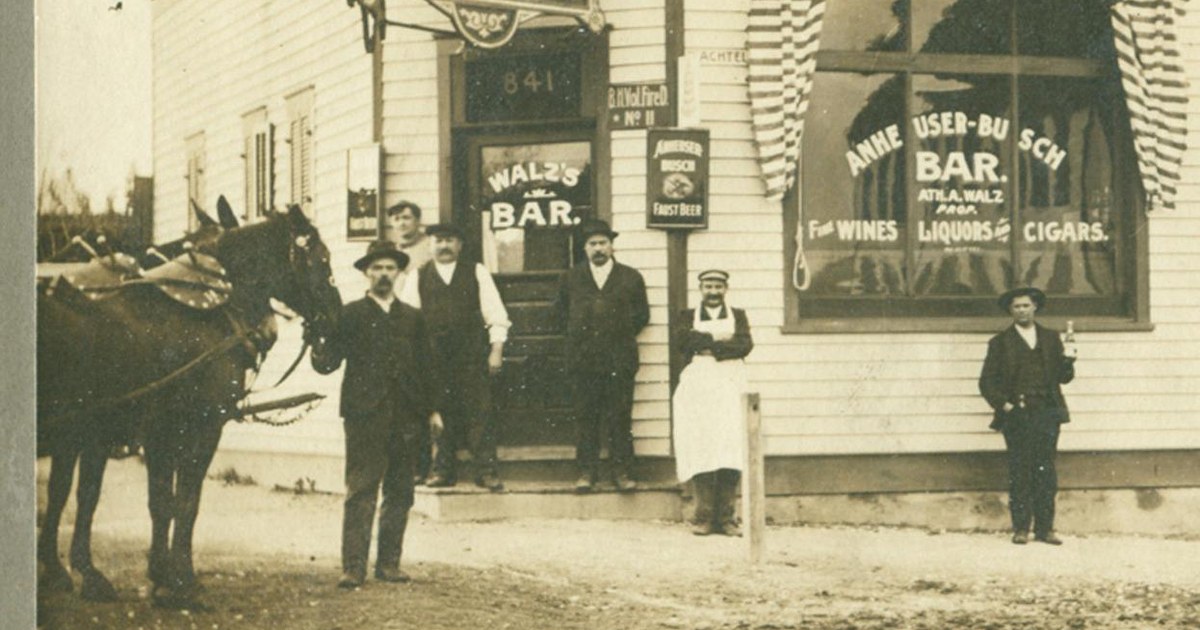
Lemay, Missouri — St. Louis County
Lemay never got a city hall. It never incorporated, never elected a mayor, and never drew a hard line on a map that said where it began and ended. And yet for more than 200 years, the people who live along Lemay Ferry Road have kept building things together. That is the story worth telling.
It Started With a Road and a Ferry
In 1789 the Spanish, who governed St. Louis at the time, laid out a road south from the city to reach a ferry crossing on the Meramec River. For decades the road went by whatever name was handy: Carondelet Road, Middle Road, Meramec Road.
In 1834 a Carondelet man named Francois Le Mais took over the ferry. When his license was recorded on May 5 of that year, the clerk wrote his name as “Lemay.” The spelling stuck to the crossing, then to the road, and eventually to the whole community around it.
By most accounts Le Mais was a poor ferryman. Travelers complained that he showed up late or not at all, and in 1848 the county court let another man take over the license. His name outlasted his reputation. The Frisco railroad built a Lemay station by 1909, and when the U.S. Post Office opened its Lemay branch in 1936, the name officially covered every neighborhood from the River des Peres to the Barracks.
Then Came the Soldiers
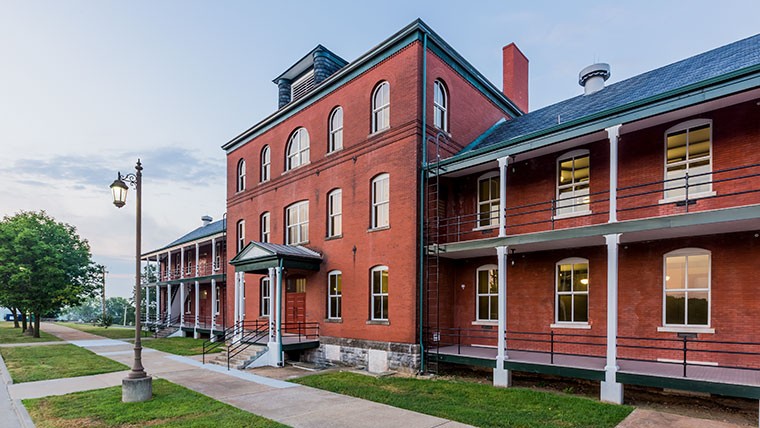
Jefferson Barracks opened on the Mississippi on July 10, 1826, the first permanent Army post west of the river. Six officers and 245 enlisted men arrived two days after the deed was signed and started putting up quarters. The post brought troops, families, wagons and business through what had been Carondelet’s common farmland, and it stayed open through every American war until 1946.
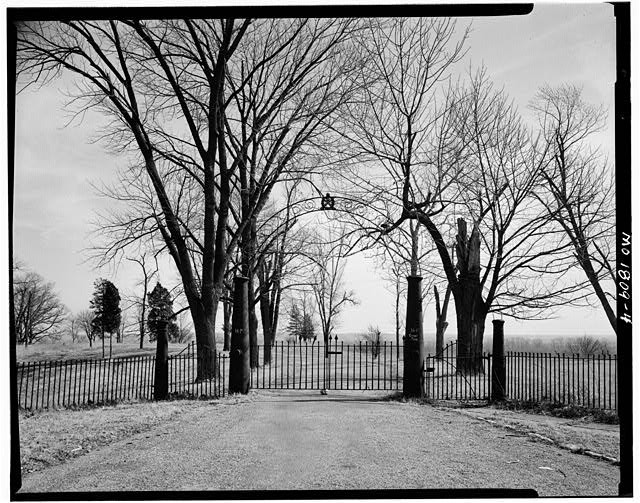
The Barracks was still a working base when St. Andrew Parish was founded on Christmas Eve 1904 to serve the families living between the River des Peres and the post, many of them German farmers who had come to the area a generation earlier. St. Andrew held its first Mass on February 5, 1905, and served Lemay for 118 years before it closed in 2023.
Neighbors Did the Rest
With no town government, there was nobody to build a fire department for Lemay. So the neighborhoods built their own. The Luxemburg Improvement Association organized the first volunteer fire company in 1902. Longwood followed two years later. In 1911 a group of citizens in Bismark Heights organized a third, and incorporated it that July so they could go to court if anybody made off with the equipment. In 1917 Bismark Heights renamed itself Dewey Heights. The department’s own history does not say why.
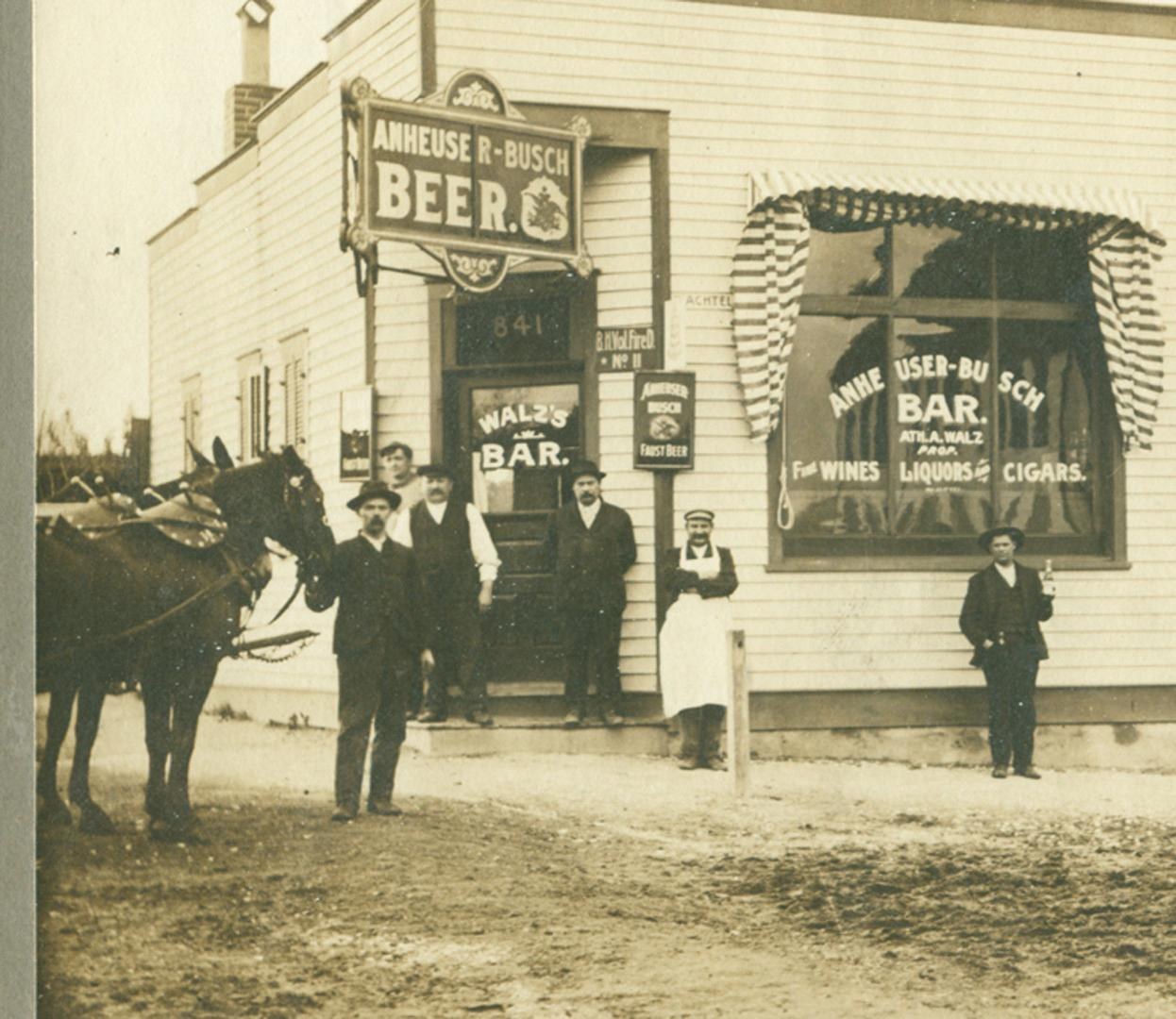
In December 1920 Dewey Heights invited Luxemburg and Longwood to combine into one organization, and by 1921 both had turned over their trucks and equipment. In May 1942 Lemay voters approved a tax to support it, and the volunteer outfit became the Lemay Fire Protection District that still answers the calls today.
And a Ballplayer Gave the Kids a Field
Henry “Heine” Meine was born in 1896 to German immigrant parents in Luxemburg, the little neighborhood near the river that is part of Lemay today. In 1931, at 35 years old, he tied for the most wins in the National League as a pitcher for the Pittsburgh Pirates. Sportswriters called him the Count of Luxemburg.
Back home he was better known for the tavern on Lemay Ferry Road that he took over from a cousin in 1920 and ran into the 1960s. During Prohibition the newspapers politely called it a soft-drink parlor. After his playing days he built a baseball school next to it, hammering together the clubhouse himself and dragging the fields by hand, and he helped found the Lemay Baseball Association to keep amateur ball alive in the neighborhood.
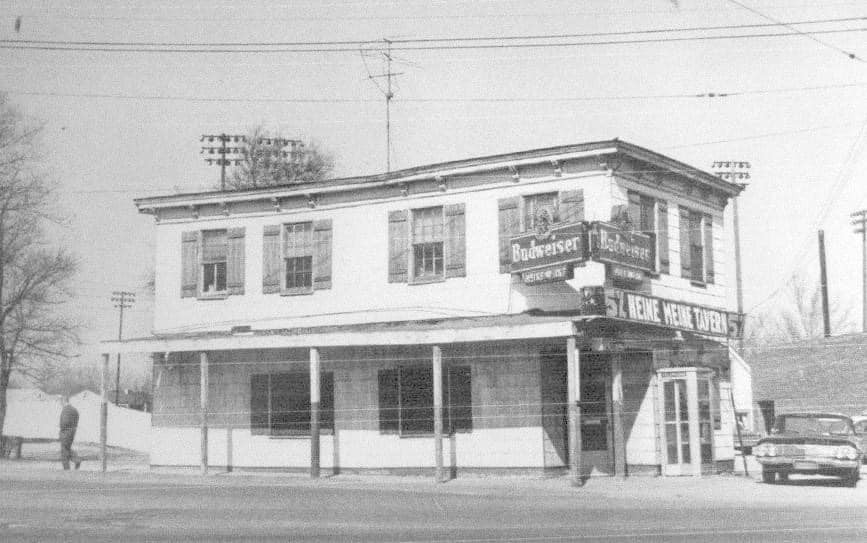
Meine died in 1968. The tavern is gone, but Heine Meine Field is still in use. In 2012 the Hancock Place School District bought it from the Lemay Baseball Association to keep it open for local kids.
That Is the Thread
A parish built by immigrant farmers. A fire department built by neighbors who passed the hat. A ballfield built by a pitcher who came home. None of it came from a big budget or a city council. All of it came from people deciding their community was worth the effort.
That is exactly what we see every week at Go Raise Dough. The parishes, schools, athletic associations and fire departments running raffles with us are doing the same thing Lemay has always done: taking care of their own, one ticket and one neighbor at a time.
That’s Lemay. And that’s still how St. Louis works.