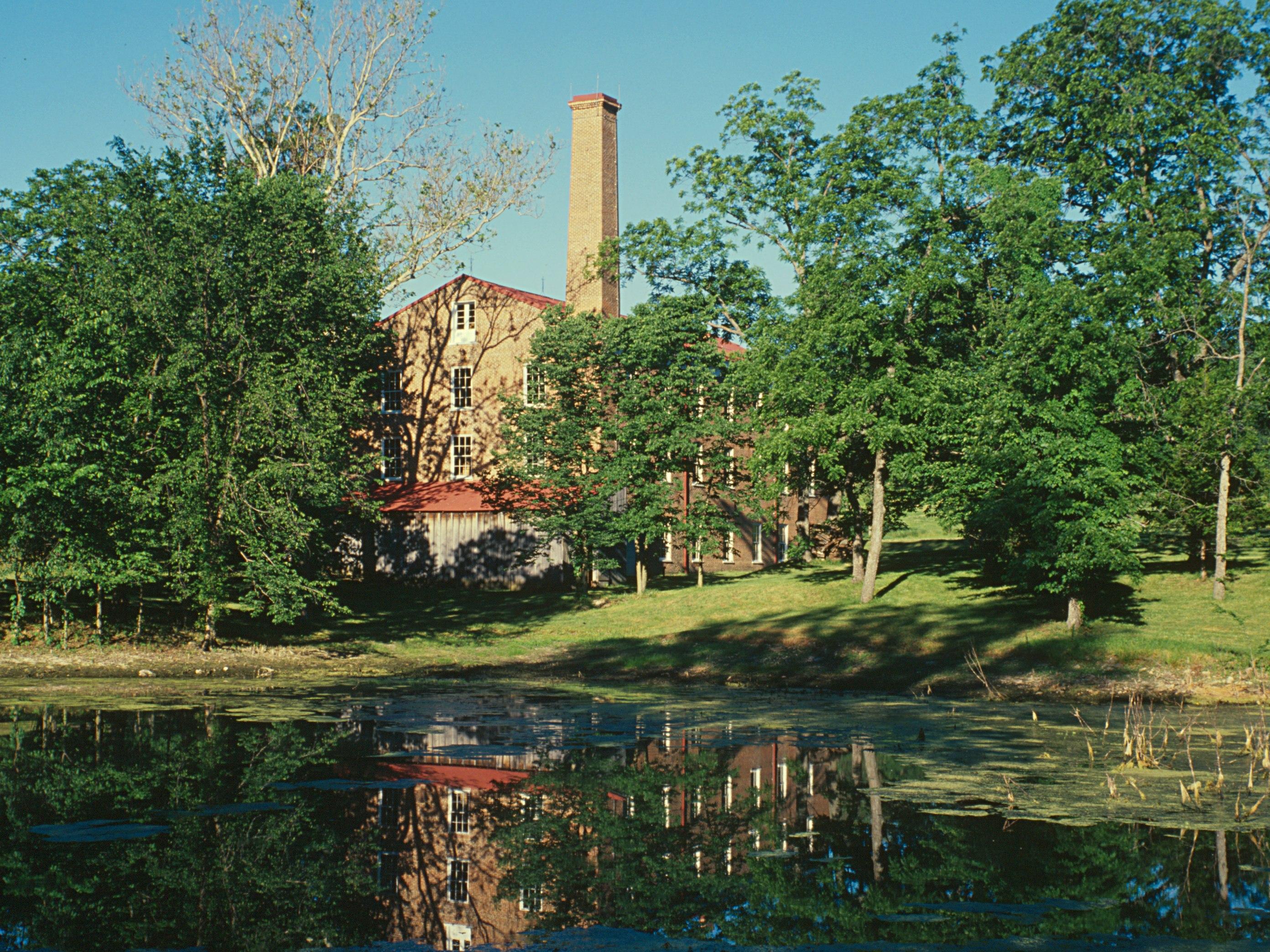
Watkins Woolen Mill — Lawson, Missouri
Today, when we think of a farm, we usually picture fields, barns, livestock and perhaps a farmhouse sitting somewhere in the middle of it all.
But in 19th-century Missouri, a successful farm could be much more than that.
Near Lawson, Missouri, the Watkins family built something that was part farm, part factory and part community. At its height, the Bethany farm covered thousands of acres and included a woolen mill, gristmill, sawmills, blacksmith shop, dairy, orchards, gardens, livestock operations and homes for workers.
From Farm to Factory
Waltus Lockett Watkins established his farm in 1839. Over the following decades, the operation grew into a large agricultural and industrial enterprise.
Watkins had already built a gristmill in 1849 when he turned his attention to the growing wool industry. In 1860, he completed the brick woolen mill that still stands today.
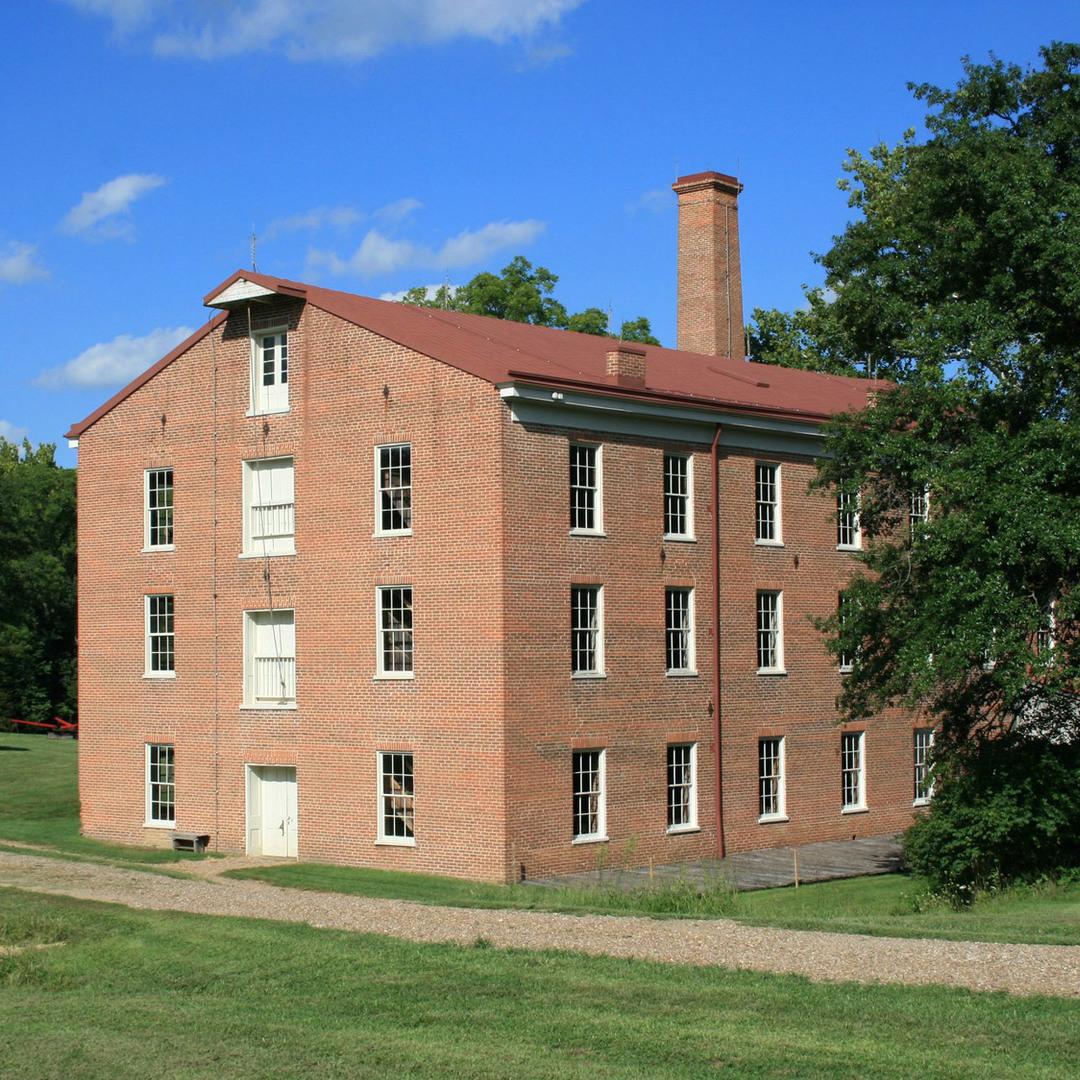
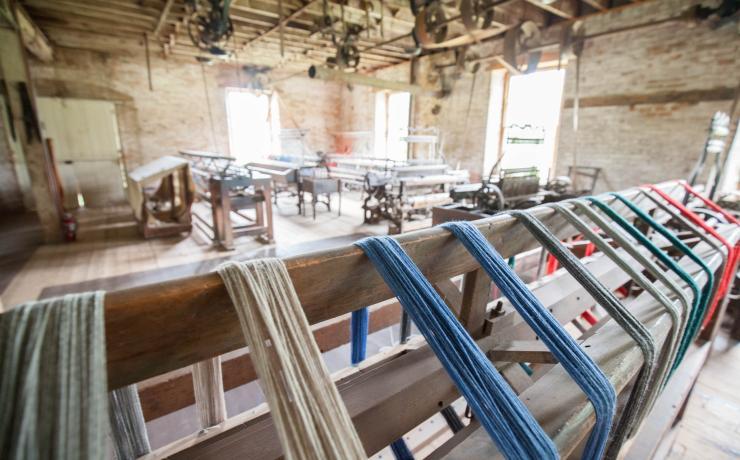
The mill was a remarkable piece of technology for rural Missouri. More than 50 major textile machines were installed inside, many shipped by railroad from the East. A steam engine and boiler were brought up from St. Louis by steamboat and then hauled overland to the mill.
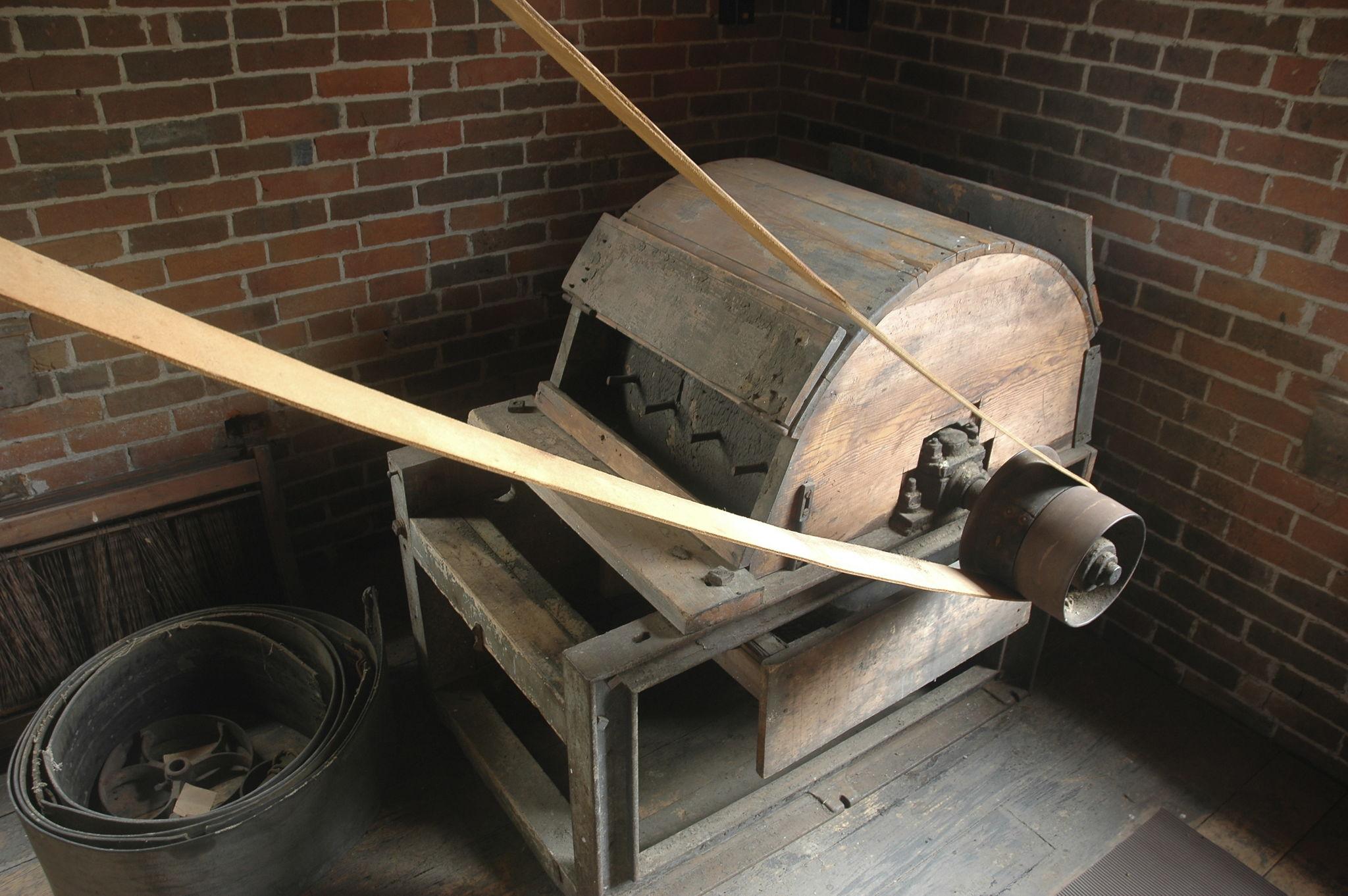
Once operating, the mill processed enormous quantities of wool. At its height, around 40 workers processed between 40,000 and 60,000 pounds of wool each year into cloth, blankets, shawls, knitting yarn and other products.
A Whole Community on One Farm
The woolen mill was only one part of the Watkins operation.
The family raised cattle, mules, horses, pigs, sheep and poultry. They grew grain and maintained extensive orchards and gardens. They operated sawmills, a blacksmith shop and a gristmill, while a large dairy and fruit-drying operation provided additional products for sale.
The Watkins family even raised bees and sold honey.
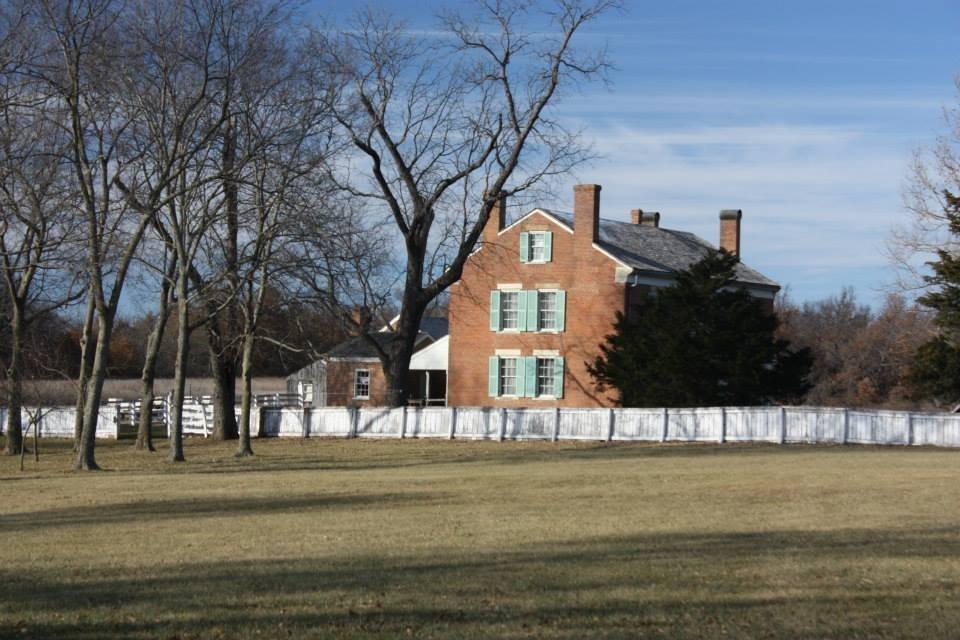
Their farm included worker housing, a school and a church nearby. Local farmers could bring wool and grain to the Watkins operation, while the family’s mills, blacksmith shop and other businesses provided services to people throughout the surrounding area.
In other words, this wasn’t simply a farm that happened to have a factory on it. It was a small, interconnected local economy.
A Piece of the Industrial Revolution in Missouri
Watkins Woolen Mill operated through the Civil War and continued to prosper during the years that followed. The woolen mill eventually closed in 1898 as the Missouri woolen industry declined.
Unlike many other mills, however, the building wasn’t torn down or converted into something else. Its original machinery remained in place.
That preservation makes Watkins Woolen Mill extraordinary today. It is the only surviving 19th-century textile mill in the United States with its original machinery still intact.
The mill, the Watkins family home and many of the surrounding buildings have been preserved as part of Watkins Woolen Mill State Historic Site. The site was designated a National Historic Landmark in 1966.
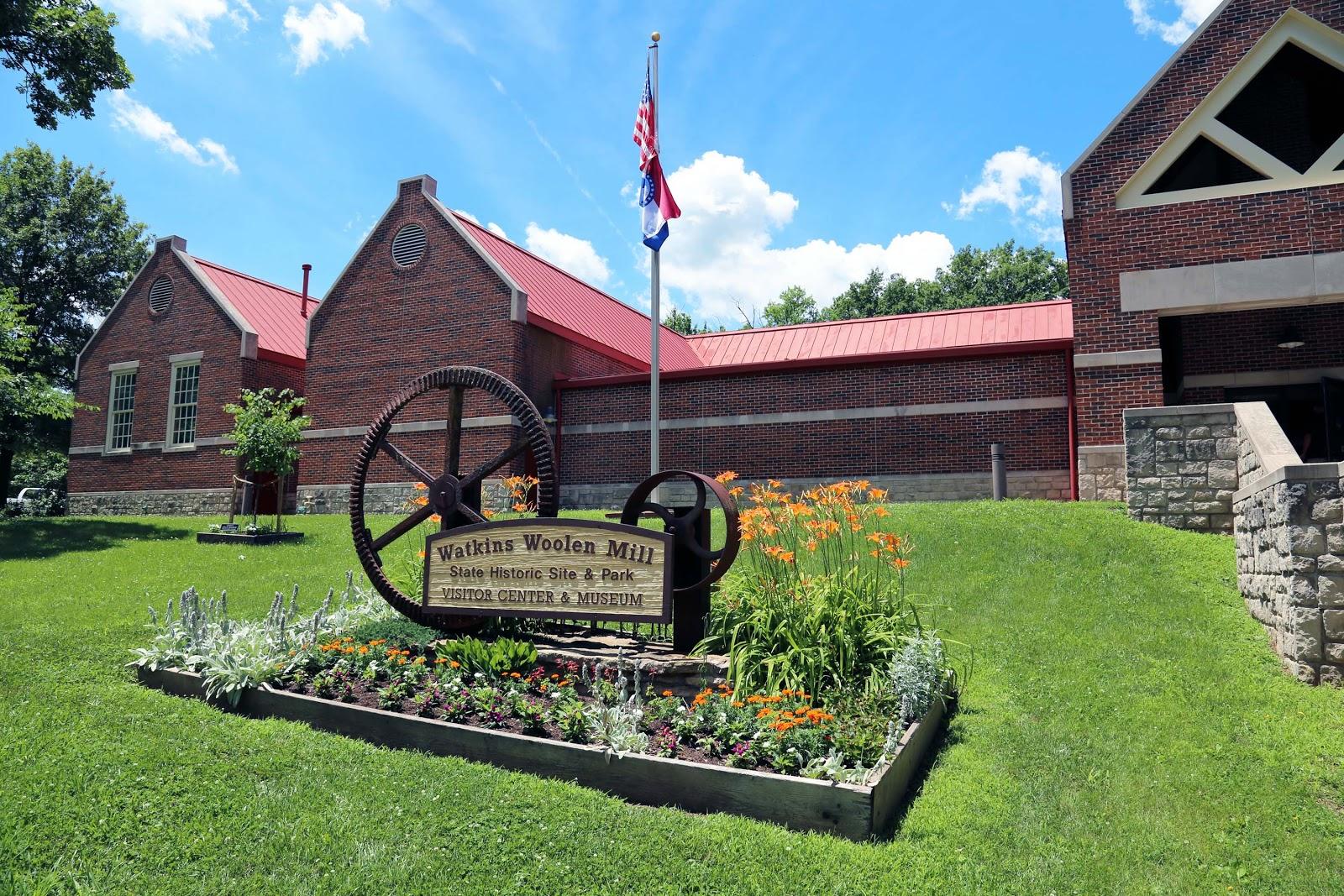
What Missouri Communities Used to Look Like
Walking through Watkins Woolen Mill today gives visitors a glimpse into a very different Missouri.
The machinery inside the mill tells the story of industrialization, while the farmhouse, gardens, livestock buildings, smokehouse, icehouse and other structures show how much of everyday life happened right on the farm.
Together, they tell a bigger story: before modern supply chains and big-box stores, communities depended on networks of farms, mills, craftsmen, merchants and families who produced and traded much of what their neighbors needed.
Watkins Woolen Mill is one of the rare places where that entire system can still be seen in one place.
That’s your Midwest Monday.
📍 Watkins Woolen Mill State Historic Site
Lawson, Missouri